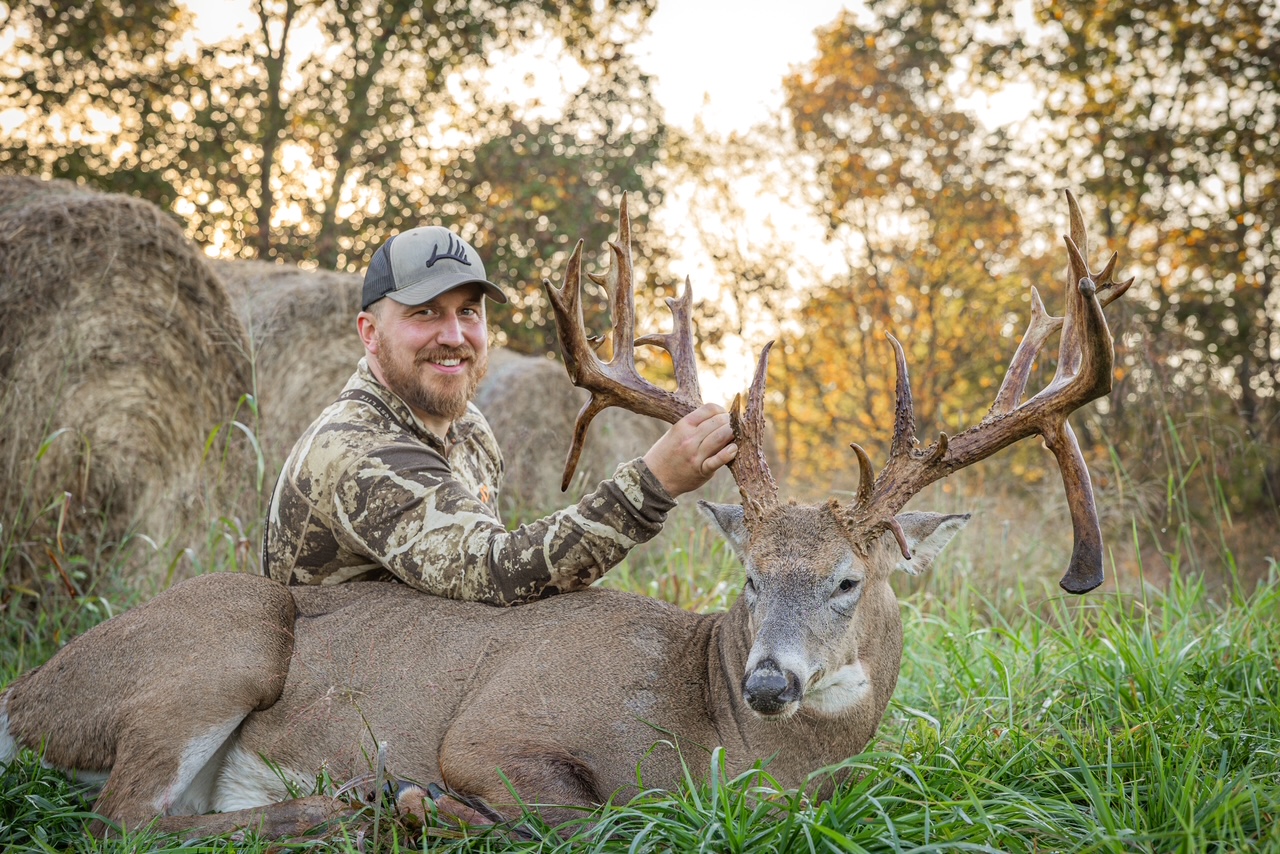
Building Resilient Whitetail Habitats: Comprehensive Approaches by Bluff Country Whitetails Feb 15, 2026
Understanding the Basics of Whitetail Habitats Whitetail deer require a diverse habitat for shelter, food, and breeding. They thrive in areas that provide abundant forage, cover, and water resources. Recognizing these crucial elements forms the foundation of effective habitat management. At Bluff Country Whitetails, we emphasize the need for a balanced approach that integrates natural vegetation, controlled food plots, and strategic cover management to create a sustainable environment for deer populations.
Creating Effective Food Sources One of the primary components of a resilient habitat is a consistent and nutritious food supply. Diverse plantings such as clover, alfalfa, soybeans, and native grasses serve as excellent food sources throughout different seasons. Implementing a rotational planting strategy ensures year-round availability of nutrients, which is vital for deer health and antler growth. Our land management experts can help you design and maintain productive food plots tailored to the specific needs of your local deer population.
Enhancing Cover and Shelter Providing adequate cover is essential for deer protection and fawn rearing. Natural thickets, brush piles, and evergreen plantings offer security and shelter from predators and harsh weather conditions. At Bluff Country Whitetails, we advocate for the creation of bedding areas and travel corridors that coincide with feeding zones, thus minimizing energy expenditure by deer moving across the landscape. We also recommend incorporating edge habitats, where wooded areas meet open fields, to increase biodiversity and habitat complexity.
Water Sources: A Critical Component Water is a vital element that is often overlooked in habitat development. Establishing reliable water sources such as ponds, streams, or strategically placed water tanks can greatly enhance habitat appeal. These water features not only support deer but also attract a variety of other wildlife, contributing to a more vibrant ecosystem. If natural water sources are unavailable, consider installing supplemental water systems to ensure deer have easy access to this critical resource.
Monitoring and Adaptation Effective habitat management requires ongoing monitoring and adaptability. Regular observation and land surveys help identify changes in deer behavior or habitat conditions. With this information, land managers can make informed adjustments to their strategies. Bluff Country Whitetails provides expert advice and support to help landowners implement adaptive management practices that respond to the ever-changing dynamics of wildlife and environmental conditions.
Conserving and Enhancing Biodiversity Biodiversity is key to a resilient whitetail habitat. Promoting diverse plant and animal species creates a stable environment that can weather challenges such as disease or climate fluctuations. Incorporating native plants and encouraging natural predators to maintain a balanced ecosystem are strategies we strongly endorse. By enhancing biodiversity, landowners contribute to a healthier, more sustainable habitat that supports not only deer but a multitude of other species.
In conclusion, building resilient whitetail habitats is an intricate process that requires careful planning and execution. At Bluff Country Whitetails, we are committed to guiding you through every step of this journey. Through our comprehensive approaches, we help ensure the health and vitality of your land, creating environments where whitetail deer and other wildlife can flourish. Whether you’re just starting or looking to refine your existing strategies, we are here to support your conservation efforts.
/filters:no_upscale()/filters:format(webp)/media/6ddaef08-494a-4e9e-8dd2-7c0248d93dfb.jpeg)