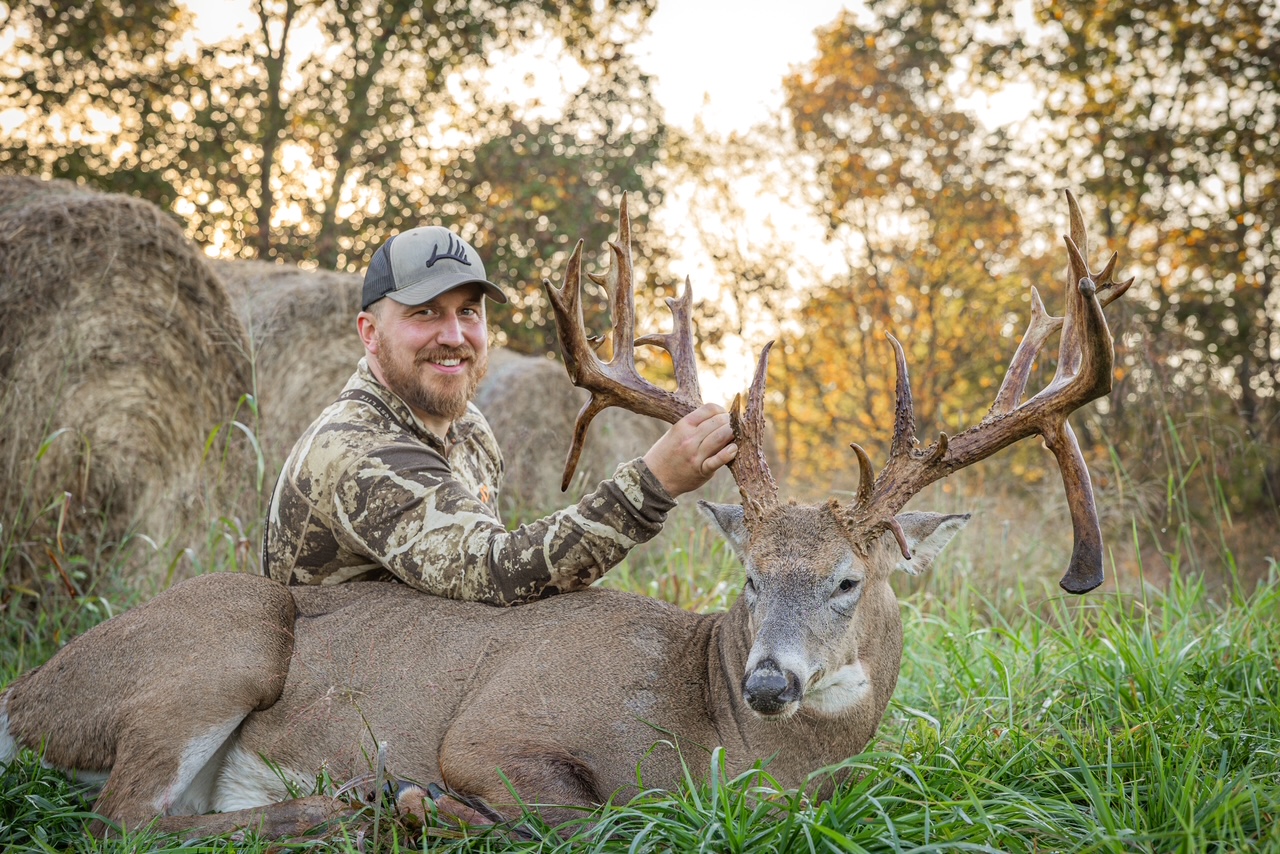
Creating Sustainable Wildlife Habitats: Insights from Bluff Country Whitetails Jan 24, 2026
The first step in establishing a sustainable wildlife habitat is understanding the specific needs of the species you wish to attract. Different animals require different types of cover, food, and water sources. For instance, deer are attracted to areas with a mix of open spaces and dense cover, which provide safety and food. Native plantings are crucial in such environments, as they offer not only a food source but also encourage insects and other smaller creatures, which are beneficial for the food web.
Assessing your land’s current capabilities is another critical component. At Bluff Country Whitetails, we recommend conducting a thorough site survey, noting existing vegetation, water sources, and potential natural hazards. This survey helps in identifying the features that need enhancement or introduction. Are there areas prone to flooding? Is there a natural water source that can be expanded? Answering such questions will inform your management decisions.
One of the most effective tactics in wildlife management is creating a diverse habitat. Diversity is key to sustainability because it encourages a richer variety of wildlife. Planting a combination of grasses, shrubs, and trees not only provides shelter but also supports a variety of dietary needs. Introducing or maintaining wetlands can increase biodiversity even further, attracting species like amphibians and birds, which are indicators of a healthy ecosystem.
Another crucial aspect of habitat management is controlling invasive species. Invasives can outcompete native plants, disrupt the food chain, and degrade habitat quality. Regularly monitoring your land for invasive plant species and implementing control measures such as mechanical removal or targeted herbicide application can prevent these species from establishing themselves.
The role of natural features should not be underestimated. Bluff Country Whitetails often advocates for the use of natural features such as rock piles, fallen logs, and pond edges to create microhabitats. These features provide critical resources for wildlife, offering nesting sites, shelter, and hunting grounds. Incorporating these elements makes the habitat naturally inviting to more wildlife species.
Ongoing management is vital to ensure the long-term success of your wildlife habitat. Implementing a maintenance schedule that includes periodic evaluation and management actions will keep your habitat in prime condition. Seasonal changes necessitate different management activities, such as controlled burning to rejuvenate plant growth or adjusting water levels in ponds to accommodate breeding cycles.
In conclusion, creating sustainable wildlife habitats requires thoughtful planning and a commitment to ongoing management. By understanding the specific requirements of different species, maintaining a diverse ecosystem, and considering natural features, landowners can make informed decisions that benefit wildlife and their own land. Bluff Country Whitetails is here to assist every step of the way, ensuring that your land not only supports wildlife but also thrives as part of the larger ecosystem. Remember, the efforts you invest in today will yield rewards for years to come, for both nature and those who enjoy its splendor.
/filters:no_upscale()/filters:format(webp)/media/6ddaef08-494a-4e9e-8dd2-7c0248d93dfb.jpeg)