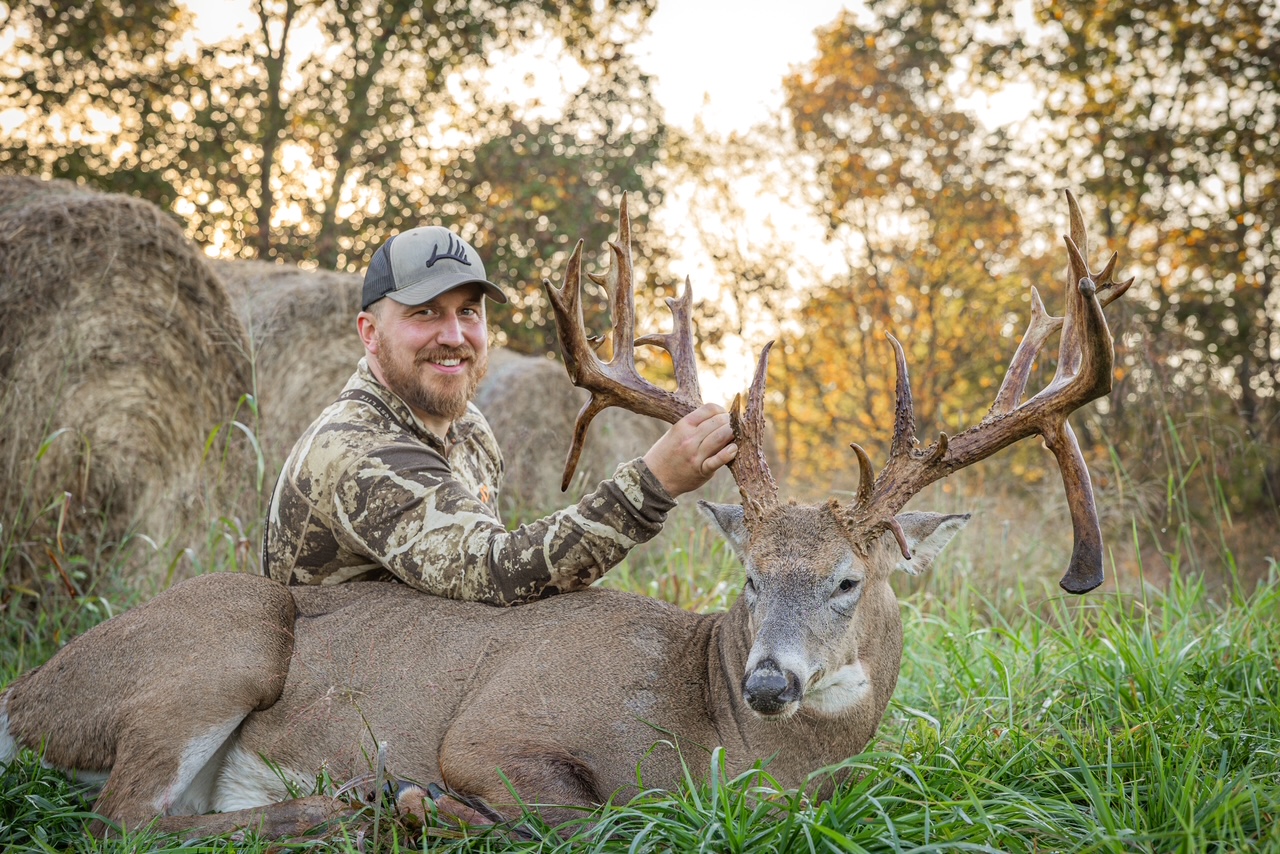
Cultivating Natural Whitetail Habitats: From Blueprint to Biodiversity Apr 01, 2026
The journey to cultivating a natural habitat for whitetails begins with an understanding of the land’s unique features. Recognizing soil types, topography, and existing vegetation can significantly influence the planning stages. Bluff Country Whitetails emphasizes the importance of conducting an environmental assessment to determine the most suitable strategies for improvement. Creating quality habitat isn't simply about adding resources—it's about optimizing what already exists and enhancing it to encourage biodiversity.
An essential aspect of habitat development involves the integration of native plant species. Native plants are adapted to local conditions and provide critical nutrition and cover for whitetails. Planting a diverse mix of grasses, forbs, shrubs, and trees can enrich the environment, offering varied foraging options throughout the year. Bluff Country Whitetails recommends incorporating perennial plants, which contribute to a stable ecosystem by providing continuous nourishment and acting as natural buffers against soil erosion.
Water is another fundamental component in designing a thriving ecosystem for whitetails. Ensuring adequate water sources will attract deer and support other local wildlife. Strategically placed ponds or water troughs can serve this purpose. However, it's crucial to maintain a balanced environment to avoid creating more problems with stagnant water, which can lead to mosquito proliferation. Aeration systems or a natural slope can keep the water fresh and appealing.
In addition to plant life and water, consider developing bedding areas to provide safe and secure habitats for whitetails. These can be crafted from thick brush or managed forest with adequate understory. Providing these secure areas enables deer to rest safely, reducing stress on the local population and encouraging them to spend more time on your property.
Land management is an ongoing process that requires regular evaluation and maintenance. As seasons change, so do the needs of the habitat. Bluff Country Whitetails offers ongoing consultation to help adapt land management strategies as necessary, ensuring the natural habitat evolves along with its occupants. Engaging in periodic controlled burns and timber stand improvements can help manage vegetation and promote the growth of beneficial plant species, ensuring a healthy, sustainable living environment.
A diverse and balanced ecosystem not only benefits whitetails but enriches the biodiversity of the entire area. From attracting songbirds to hosting small mammals, a well-managed habitat becomes a haven for all forms of life, enhancing ecological health and stability. As this biodiversity flourishes, so does the quality of hunting and wildlife experiences.
In conclusion, the transformation from blueprint to biodiversity requires thoughtful planning, commitment, and ongoing care. Bluff Country Whitetails is dedicated to guiding landowners through this enriching process, creating environments where whitetails and nature can thrive side by side. By focusing on native vegetation, secure bedding areas, and adequate water sources, you can establish a flourishing natural habitat that supports wide-ranging biodiversity. Embrace this sustainable approach to land management, and watch as your efforts cultivate a legacy of vibrant whitetail habitats.
/filters:no_upscale()/filters:format(webp)/media/6ddaef08-494a-4e9e-8dd2-7c0248d93dfb.jpeg)