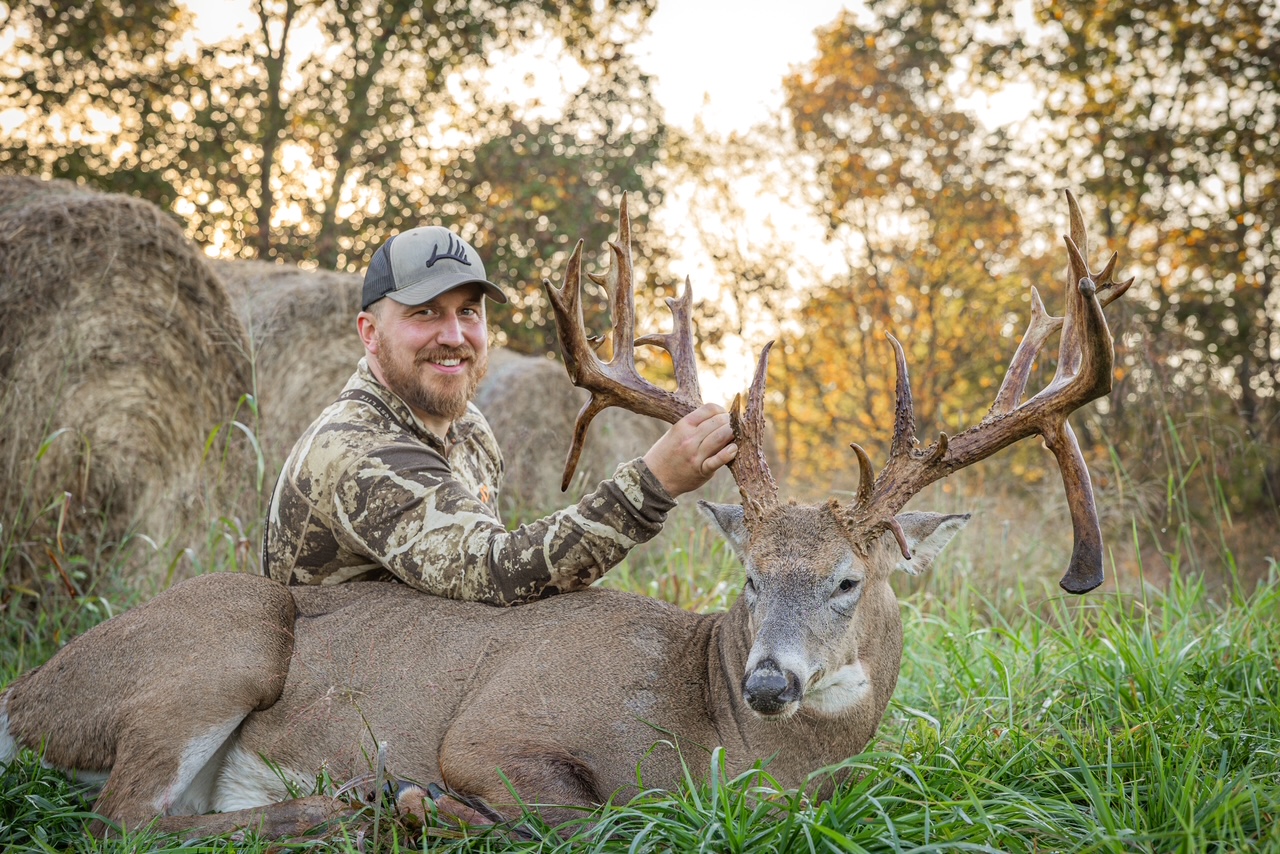
Designing Whitetail-Friendly Landscapes: Expert Insights from Bluff Country Whitetails Jul 05, 2026
The first step in designing a whitetail-friendly landscape is understanding their basic needs: food, cover, and water. A diverse diet is crucial for healthy and sustainable deer communities. Opt for planting native vegetation like white oak, red clover, and chicory, which are rich food sources. Incorporating a mix of annual and perennial food plots can also encourage consistent visitation by whitetails throughout the year. Our team at Bluff Country Whitetails recommends strategic planting, ensuring these food sources are distributed evenly to prevent overgrazing and promote natural foraging behavior.
Alongside food, providing sufficient cover is vital. Whitetails are naturally skittish and need hiding spots to feel secure. Utilize native shrubs, tall grasses, and thickets to create protective habitats. Not only do these natural structures offer safety from predators, but they also provide bedding places. When designed well, these elements can decrease stress levels in deer, allowing them to grow and reproduce effectively. Bluff Country Whitetails advises implementing diverse plant heights and densities to mimic natural environments, thus enhancing the overall attractiveness of the habitat to deer.
Water resources are often overlooked but are equally essential in a whitetail habitat. Ensure there is easy access to clean water, such as streams or ponds. If natural water sources are unavailable, consider installing strategically placed water troughs or ponds. These water points should be accessible but shielded to enhance the deer's comfort and encourage regular use.
The layout and accessibility of your land can also impact its appeal to whitetails. Establishing travel corridors throughout your property can allow deer to move safely from one area to another. These pathways can be created by mowing corridors through dense woods or using natural lines of travel. This not only benefits the deer population but also optimizes hunting strategies without causing undue stress on the animals.
Monitoring and managing the deer population is a continuous process requiring attention to detail and adaptability to evolving environmental factors. Regular monitoring helps track the success of management practices and detect areas needing improvement. Bluff Country Whitetails uses technology such as trail cameras and aerial drones to provide insight into population dynamics and the effectiveness of various interventions.
In conclusion, creating a whitetail-friendly landscape requires a thoughtful approach that balances the needs of the deer with the environmental capabilities of your land. By focusing on optimal plant species, sufficient cover, adequate watering facilities, and effective land use strategies, you can create a dynamic habitat that supports a healthy whitetail population. At Bluff Country Whitetails, we are committed to assisting landowners every step of the way, ensuring that every piece of land can become a thriving home for these majestic creatures.
For tailored strategies and expert guidance, contact Bluff Country Whitetails today and begin transforming your land into an ideal habitat for whitetails.
/filters:no_upscale()/filters:format(webp)/media/6ddaef08-494a-4e9e-8dd2-7c0248d93dfb.jpeg)