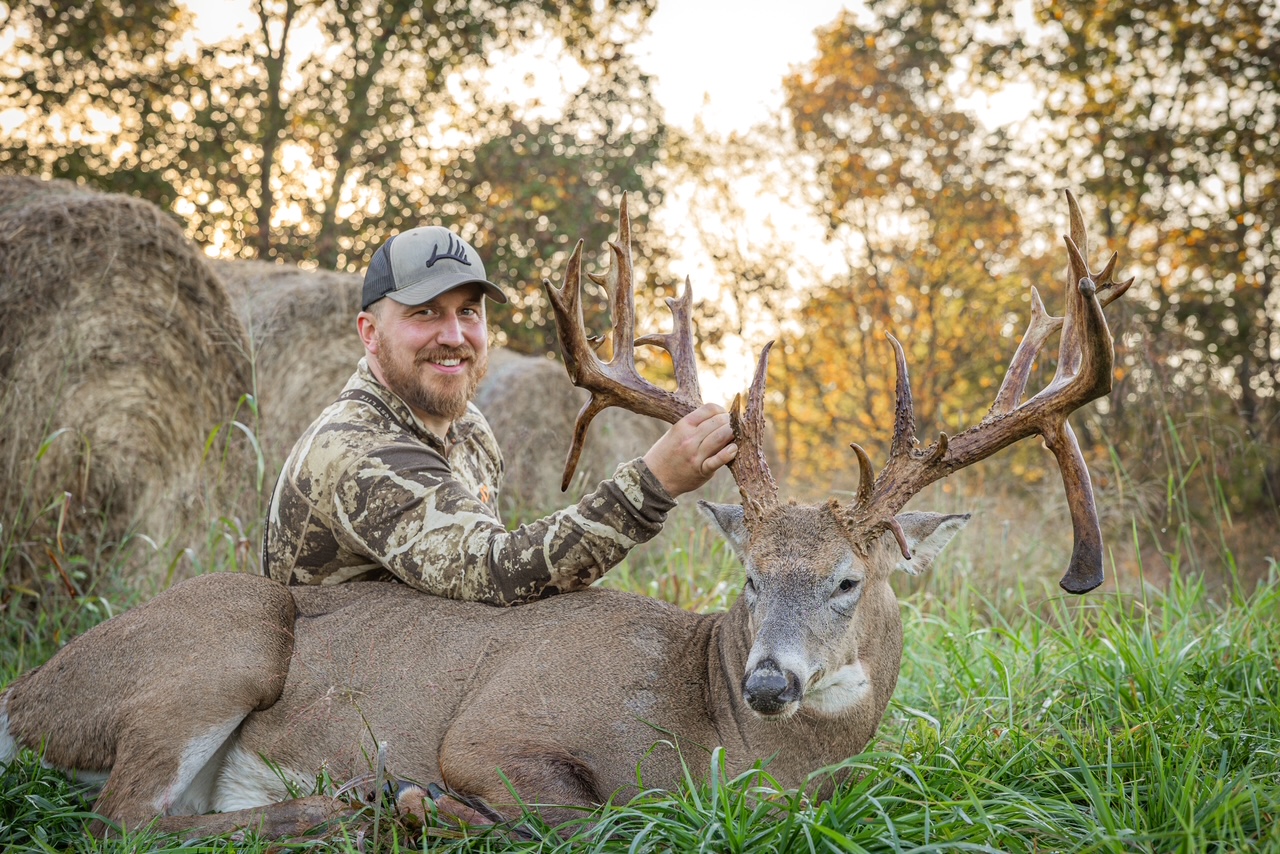
Habitat Restoration for Whitetail Deer: Practical Steps from Bluff Country Whitetails Apr 29, 2026
To embark on this journey towards habitat restoration, the first step is to assess the current state of the land. Understanding the landscape’s strengths and weaknesses is vital for tailoring restoration efforts effectively. Conducting a wildlife survey can help identify existing wildlife populations and the types of vegetation present. It also enables land managers to recognize key areas where enhancements are needed to support the whitetail deer.
Once the initial assessment is complete, focused attention should be given to improving the quality of forage and cover. Whitetail deer require a diverse diet, so planting a variety of native plants and grasses is essential. Consider integrating fruit-bearing trees and shrubs, such as persimmons, crabapples, and dogwoods, which serve as excellent food sources. Additionally, implementing rotational grazing practices can help maintain healthy plant communities and prevent over-browsing.
In conjunction with forage, providing adequate cover through strategic landscaping is crucial. Deer rely on cover for protection from predators and harsh weather conditions. Bluff Country Whitetails recommends planting dense thickets of shrubs and maintaining natural forested areas to offer refuge. Edge habitat, where different ecosystems meet, can provide both food and cover, making it an ideal area for deer habitation.
Water availability is another essential component of a thriving deer habitat. Establishing reliable water sources, whether natural or man-made, can significantly increase the attractiveness of the land to whitetail deer. Installing small ponds or creating rainwater catchments can ensure a steady supply of fresh water throughout the year. Ensuring these water sources are strategically placed will encourage regular deer movement and enhance sighting opportunities.
Effective predator management is also vital. Natural predators can disrupt deer populations when left unchecked. Land managers should aim to create a balanced ecosystem where predators exist but do not overly impact deer numbers. Techniques such as hunting and trapping, regulated by local guidelines, can appropriately manage predator populations.
Monitoring and adapting restoration efforts over time is crucial for long-term success. Regularly evaluating the land and its ability to meet established goals ensures that strategies remain effective and beneficial. Gathering data on deer population trends, growth of vegetation, and water usage can help fine-tune management practices.
In conclusion, habitat restoration for whitetail deer involves a comprehensive approach that includes assessing current land conditions, enhancing forage and cover, ensuring water availability, managing predators, and ongoing monitoring. Bluff Country Whitetails stands by its commitment to promoting sustainable ecosystems. By adopting these practical steps, landowners can cultivate environments that support not only thriving deer populations but also broader biodiversity. Embracing these practices not only benefits wildlife but also enriches the natural beauty and value of the land for generations to come.
/filters:no_upscale()/filters:format(webp)/media/6ddaef08-494a-4e9e-8dd2-7c0248d93dfb.jpeg)