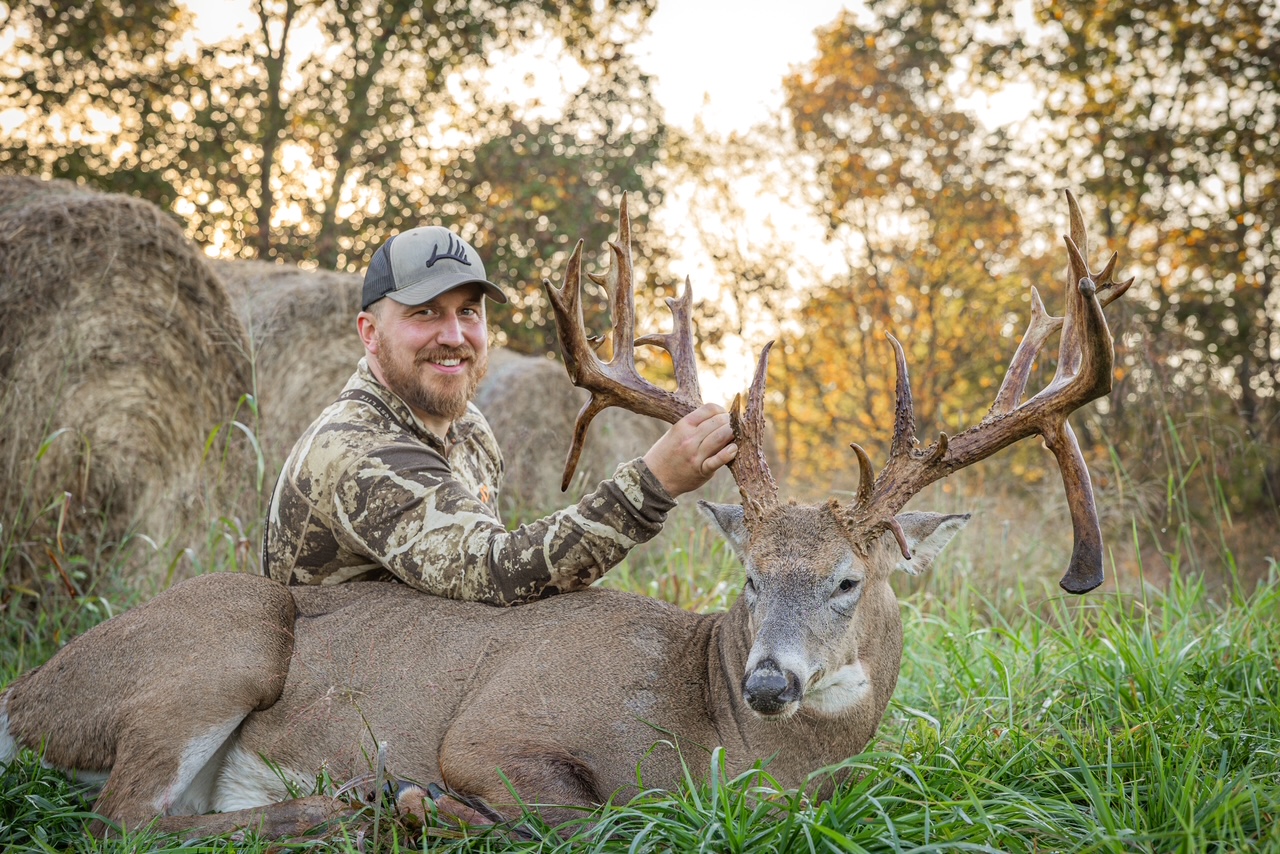
Harnessing Natural Elements: Elevating Land Potential for Whitetail Habitats Aug 07, 2026
Understanding the natural habitat needs of whitetail deer is the first step in achieving optimal land management. These animals require a balance of food, water, and cover to thrive. By identifying the existing natural elements on your property, you can nurture these essentials and create an inviting environment. Wild forages like nuts, berries, and diverse plant species provide crucial nutrition. Water sources, whether natural or man-made, are vital, and dense underbrush can serve as protective shelter.
At Bluff Country Whitetails, we emphasize the importance of leveraging native vegetation. Native plants are adept at thriving in local environmental conditions, requiring less maintenance, and providing year-round benefits to the habitat. By incorporating native perennials and maintaining a variety of grasses and shrubs, you supply a continuous food source and transform the land into a self-sustaining ecosystem for deer and other wildlife.
Creating zones of diversity within your property can further enhance whitetail habitats. Incorporating a mix of open meadows, dense thickets, and forested areas allows you to support various stages of a deer’s lifecycle and meet their needs throughout the seasons. Open areas offer space for foraging and social behavior, while thick cover provides protection and bedding areas. Transition zones between these spaces can act as natural funnels, guiding deer safely through your land.
A strategic approach to land management is essential for maintaining your habitat's integrity and appeal. Regularly assessing and adapting your management strategies is crucial. Evaluating the health of plant life, monitoring water quality, and staying vigilant to the encroachment of invasive species are all part of a proactive management plan. At Bluff Country Whitetails, we assist in developing tailored management strategies that adapt to seasonal changes and evolving land conditions.
Using advanced techniques such as controlled burns and selective timber harvesting can further optimize your land’s potential. Controlled burns help rejuvenate soils, stimulate plant growth, and prevent the excessive buildup of plant debris, thereby reducing the risk of wildfires. Timber harvesting, when conducted selectively, can open up the canopy, allowing sunlight to reach the ground level and foster new growth essential for both food and cover.
Finally, fostering a cooperative relationship with your local wildlife agencies and neighboring landowners can provide additional insights and resources. Sharing experiences and strategies can lead to more cohesive regional conservation efforts that benefit entire ecosystems.
In conclusion, harnessing natural elements to elevate the land's potential for whitetail habitats is both an art and a science. By focusing on native vegetation, creating diverse habitat zones, utilizing advanced management techniques, and fostering community collaboration, our team at Bluff Country Whitetails ensures that landowners can enjoy thriving environments that support and enhance whitetail populations. Each step taken in sustainable land management is a step toward a healthier, more vibrant ecosystem that reflects the natural beauty and bounty of our cherished landscapes.
/filters:no_upscale()/filters:format(webp)/media/6ddaef08-494a-4e9e-8dd2-7c0248d93dfb.jpeg)