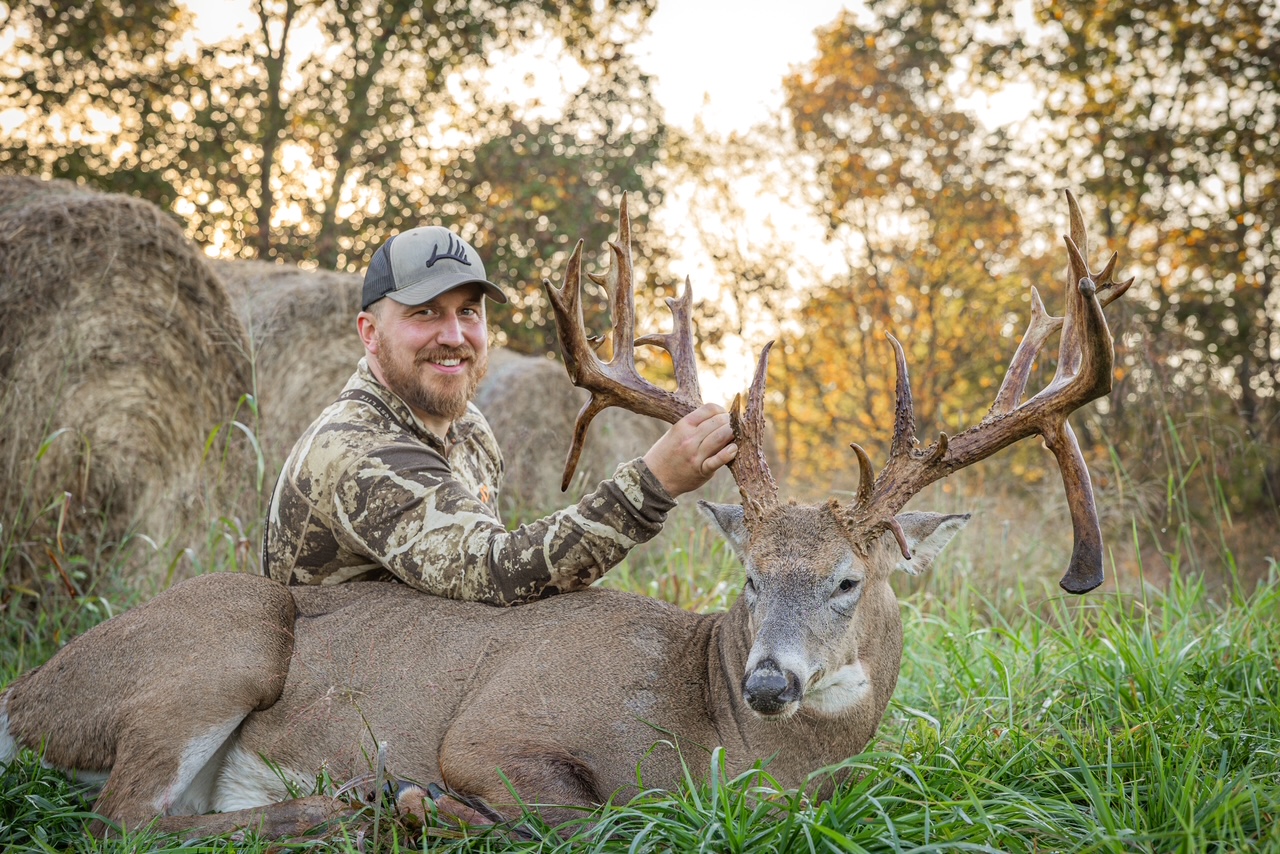
Harnessing the Seasons: Adapting Land Management for Whitetail Success Year-Round Sep 02, 2026
Spring is a time of renewal and growth, making it an ideal season to kickstart efforts in habitat improvement. As the frost thaws, begin by conducting a thorough assessment of your land. Look for areas where food plots can be established or enhanced. Spring planting is crucial for providing nutritious fodder that ensures does and their fawns get off to a strong start. Native plants and high-protein forages such as clover and chicory are excellent choices for spring food plots. Additionally, consider setting up mineral sites to supply deer with essential nutrients that aid in antler growth and overall health.
Transitioning into summer, focus on maintaining the quality and availability of food and water on your property. This is a great time to monitor plant growth and make necessary adjustments. Irrigation may be required to ensure your food plots thrive during periods of limited rainfall. Implementing controlled burns can rejuvenate grassland areas, promoting new growth and creating a diversity of food sources. Furthermore, ensure that water sources are plentiful, as hydration becomes increasingly vital during the hotter months. Keep in mind that summer is also prime time for managing invasive plants that compete with desirable native species.
As fall approaches, your management strategies should shift towards preparing the land for hunting season and the challenges of winter. Fall is prime time for setting up hunting stands in strategic locations, ensuring that they are camouflaged and safely positioned. Also, consider creating or refurbishing bedding areas to provide deer with safe shelters. Fall plantings, such as brassicas and turnips, will offer late-season nutrition when natural browse becomes scarce. This season is also ideal for conducting controlled deers harvests to maintain a balanced deer population density on your property.
Finally, winter management is all about helping whitetail deer survive the harsh conditions and emerge in good health. During this time, deer rely heavily on fat reserves and forage availability. Ensure your land offers woody browse by selectively thinning out trees, which encourages new growth. This not only aids the deer's diet but also enhances forest regeneration. Supplemental feeding may be necessary if food is scarce, but it should be done with consideration of local regulations and best practices to avoid dependency and disease transmission.
In conclusion, adapting your land management strategies to the natural rhythms of the seasons is essential for fostering a thriving whitetail population. Through the expertise of Bluff Country Whitetails, you can learn how seasonal adjustments lead to better land conditions and healthier deer. By addressing the specific needs of whitetail deer throughout the year, you ensure that your land remains a flourishing haven for them. Stay proactive, stay informed, and watch your efforts pay off as your land teems with life, thanks to thoughtful and adaptable land management practices.
/filters:no_upscale()/filters:format(webp)/media/6ddaef08-494a-4e9e-8dd2-7c0248d93dfb.jpeg)