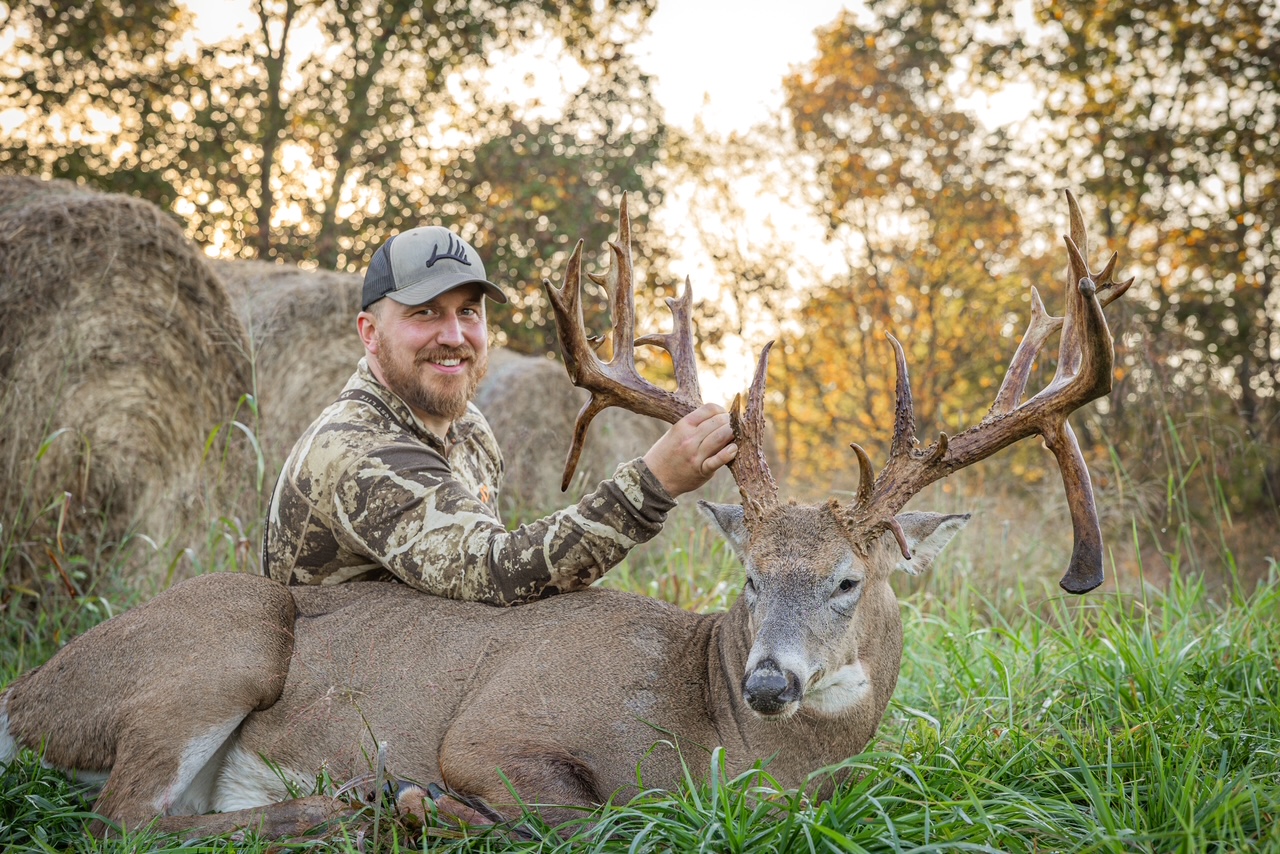
Innovative Techniques for Sustainable Whitetail Deer Population Control Jan 26, 2026
Understanding the importance of controlling deer populations is the first step towards sustainable management. Overpopulation can lead to habitat degradation, increased vehicle collisions, and agricultural damage. As a result, innovative management techniques not only preserve the environment but also enhance the quality of hunting and recreational experiences.
Habitat manipulation is a primary strategy in sustainable deer management. By increasing the diversity and quality of natural habitats, we can ensure that deer have adequate resources without overburdening the ecosystem. Planting native vegetation, creating strategic food plots, and preserving natural water sources are tactics that sustain a balanced deer population.
Another effective method is controlled hunting through regulated seasons. This traditional approach, when combined with modern tactics, helps maintain population levels within the capacity of the land. Bluff Country Whitetails collaborates with local wildlife agencies to set reasonable harvest quotas, ensuring that deer populations remain within sustainable limits. Educating hunters on age and sex selection can help maintain a healthy population structure.
Fencing and exclusion techniques also play a pivotal role in population control. Strategic fencing around vulnerable areas like agricultural fields and young tree plantations protects these resources while allowing deer populations to thrive in designated areas. This method requires precision planning and careful maintenance but proves beneficial in areas where conventional methods fall short.
Technological advancements have also transformed deer management. Remote sensing and camera traps offer a non-invasive way to monitor deer herds accurately. These technologies provide critical data that inform decisions on population dynamics and habitat health. By utilizing such tools, Bluff Country Whitetails offers proactive management services that ensure long-term sustainability.
Education and community involvement are integral to successful deer management. Bluff Country Whitetails actively engages with landowners, hunters, and conservationists to promote awareness. Workshops, seminars, and field demonstrations help stakeholders understand the goals of sustainable management and participate in ongoing efforts.
Contraceptive methods for deer are still in developmental stages but show promise as a future tool for population control. While not yet widely implemented, ongoing research may offer an additional method of moderating populations, particularly in areas where hunting is restricted or impractical.
An adaptive management approach is essential for addressing the unique challenges posed by varying land conditions and deer behaviors. Bluff Country Whitetails adapts its strategies based on continual monitoring and assessment, ensuring approaches remain relevant and effective over time.
In conclusion, sustainable whitetail deer management is a complex but attainable goal. By utilizing innovative techniques such as habitat manipulation, controlled hunting, and technological solutions, Bluff Country Whitetails ensures a balanced deer population that supports ecological health, economic viability, and recreational opportunities. Engaging with the community and embracing new research are key to ongoing success. As we look to the future, continued innovation and collaboration will provide long-term solutions for effective wildlife management, benefiting both people and nature.
/filters:no_upscale()/filters:format(webp)/media/6ddaef08-494a-4e9e-8dd2-7c0248d93dfb.jpeg)