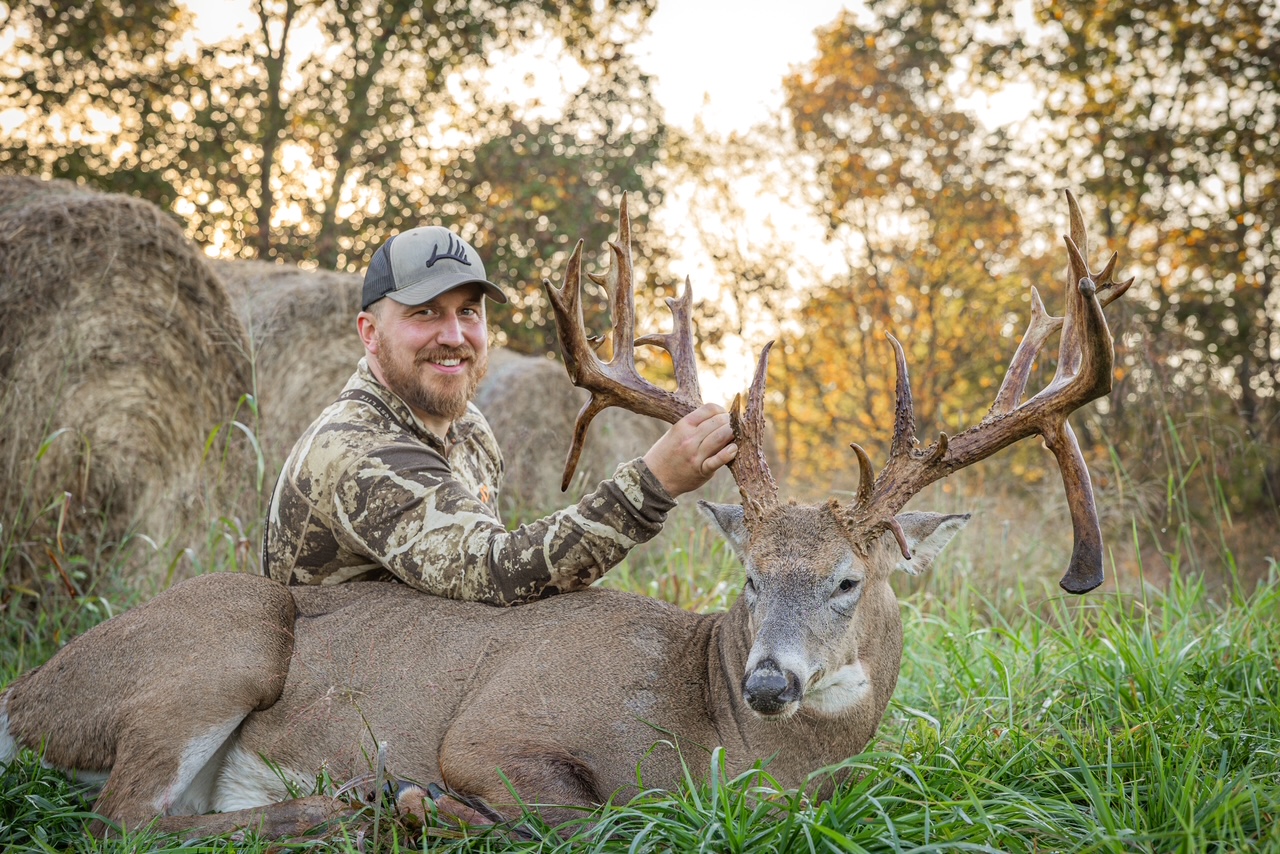
Mastering Seasonal Transitions: Ensuring Whitetail Habitat Prosperity Year-Round Apr 14, 2026
As the year unfolds, each season carries its own set of demands for whitetail deer. By adapting your land management strategies to align with these shifts, you can maintain a healthy and flourishing habitat. Let’s explore the key components of managing these transitions effectively.
Spring is a season of renewal. As temperatures rise and days lengthen, it’s time to assess your land. Evaluate the winter impact, looking for areas that may have suffered from heavy snow or ice. Begin by removing deadfall and debris to make room for emerging growth. This is also an excellent time to review and enhance food plot strategies. Planting nutrient-rich forage crops can provide essential nourishment as deer emerge from the tough winter months. Consider adding clover, alfalfa, or chicory to your plot repertoire.
As summer takes hold, focus shifts to maintaining hydration and addressing ecological balance. Summertime heat can stress plant life, making it vital to ensure your deer habitat has ample water sources. This might involve the installation of water troughs or the strategic placement of artificial ponds. It's also crucial to keep an eye on invasive species that may threaten native plant life. Regularly inspect your land and remove any non-native species that could compromise the habitat’s health.
As autumn approaches and antler growth is at its peak, whitetails require high-energy foods to prepare for the breeding season. Oak trees, producing acorns, are particularly valuable as they provide high-fat content important for the rutting period. Thus, managing your woodland to encourage oak growth can be beneficial. Consider setting up supplemental feeding stations as well. These can ensure deer have access to sufficient nutrition as natural food sources become scarcer.
Winter presents perhaps the most challenging conditions, with scarce resources and harsh weather. It's essential during this time to ensure your deer have sheltered areas that protect them from winds and allow resting. Windbreaks using dense vegetation or artificial structures can offer such refuge, promoting deer survival through freezing temperatures. Additionally, providing mineral licks can help sustain nutrient levels when other sources are depleted.
Each seasonal shift demands its own set of actions and adjustments. Regularly scheduled land evaluations are key to staying ahead of potential issues before they become significant problems. Maintaining a flexible management plan allows you to adapt to unexpected weather changes, ensuring habitats are continually optimized for whitetail prosperity.
At Bluff Country Whitetails, we prioritize sustainable land management practices that support both the land and its wildlife inhabitants. By staying informed and proactive, your whitetail habitat can thrive through every seasonal transformation. With a comprehensive plan in place, you can enjoy the beauty and bounty of your landscape while supporting a robust whitetail population.
In conclusion, seasonal transitions are more than just environmental changes; they are opportunities to refine and perfect your land management strategy. Armed with the right knowledge and techniques, you can ensure that your whitetail habitat remains vibrant and sustainable throughout the year, benefiting both the deer and the land itself.
/filters:no_upscale()/filters:format(webp)/media/6ddaef08-494a-4e9e-8dd2-7c0248d93dfb.jpeg)