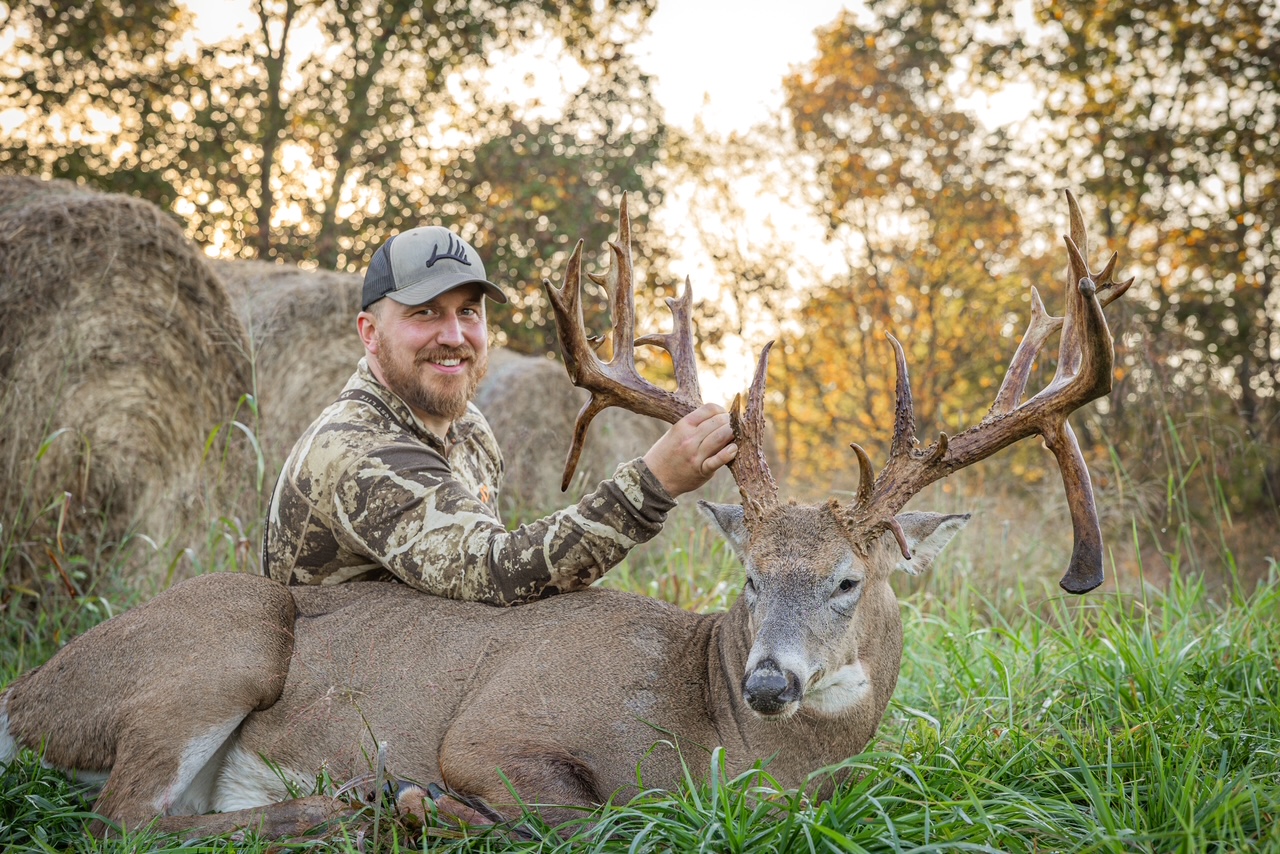
Maximizing Your Hunting Grounds: Expert Tips for Whitetail Habitat Improvement Jan 03, 2026
To start, understanding the nutritional needs of your whitetail population is vital. Whitetails thrive in environments where food is abundant and varied. Planting a mix of clover, alfalfa, and chicory can offer the nutrition deer need to thrive. These forage plants provide bedding and nesting habitats, promoting daytime feeding and visible deer activity for hunters. Incorporating native shrubs and trees like oaks and persimmons not only provides continuous food sources but also attracts a steady flow of deer to your property throughout the seasons.
Next, water is a fundamental, yet often overlooked, component of a thriving whitetail habitat. If natural water sources are scarce on your hunting grounds, consider installing a few small water holes. These need to be situated discreetly within reach of cover areas, allowing deer to hydrate without feeling exposed, increasing their frequency of visits to these locations.
Creating strategic cover is another vital element of successful land management. Whitetails need areas where they can safely bed and escape predators, especially during the hunting season. Allowing a portion of your property to grow wild can provide necessary cover. Additionally, planting fast-growing species like switchgrass or constructing brush piles using fallen trees and branches can be effective in developing bedding areas.
It's also crucial to devise a management plan to control predator populations. Effective predator management not only protects your deer population but also enhances their quality of life. Set up trail cameras to monitor predator activity and use humane trapping methods to manage species such as coyotes and bobcats. This ensures a safer environment for your whitetail deer.
Trail creation and maintenance play a key role in optimizing your hunting strategies. Establishing a grid of accessible trails not only assists in quiet movement during hunts but also allows for the transportation of resources and monitoring equipment throughout your property. Ensuring trails are kept clear of debris provides easier travel for both hunters and wildlife, making your land more attractive to whitetail populations.
Concluding, planning seasonal management activities such as controlled burns can significantly benefit your ecosystem. This technique aids in regenerating vegetation, controlling invasive species, and promoting healthy nutrient cycles. Conduct these burns during late winter or early spring when they can do the most good for habitat regeneration.
In summary, by enhancing the food, water, cover, and overall safety of your hunting grounds, you increase both the whitetail population and their quality. Each modification not only benefits whitetail deer but also contributes to an improved ecosystem and, ultimately, a more successful hunting experience. Bluff Country Whitetails specializes in these tailored land management practices, ensuring that your investment in habitat improvement leads to tangible, lasting results. With the right strategies, your hunting ground can become a thriving paradise for both hunters and wildlife.
/filters:no_upscale()/filters:format(webp)/media/6ddaef08-494a-4e9e-8dd2-7c0248d93dfb.jpeg)