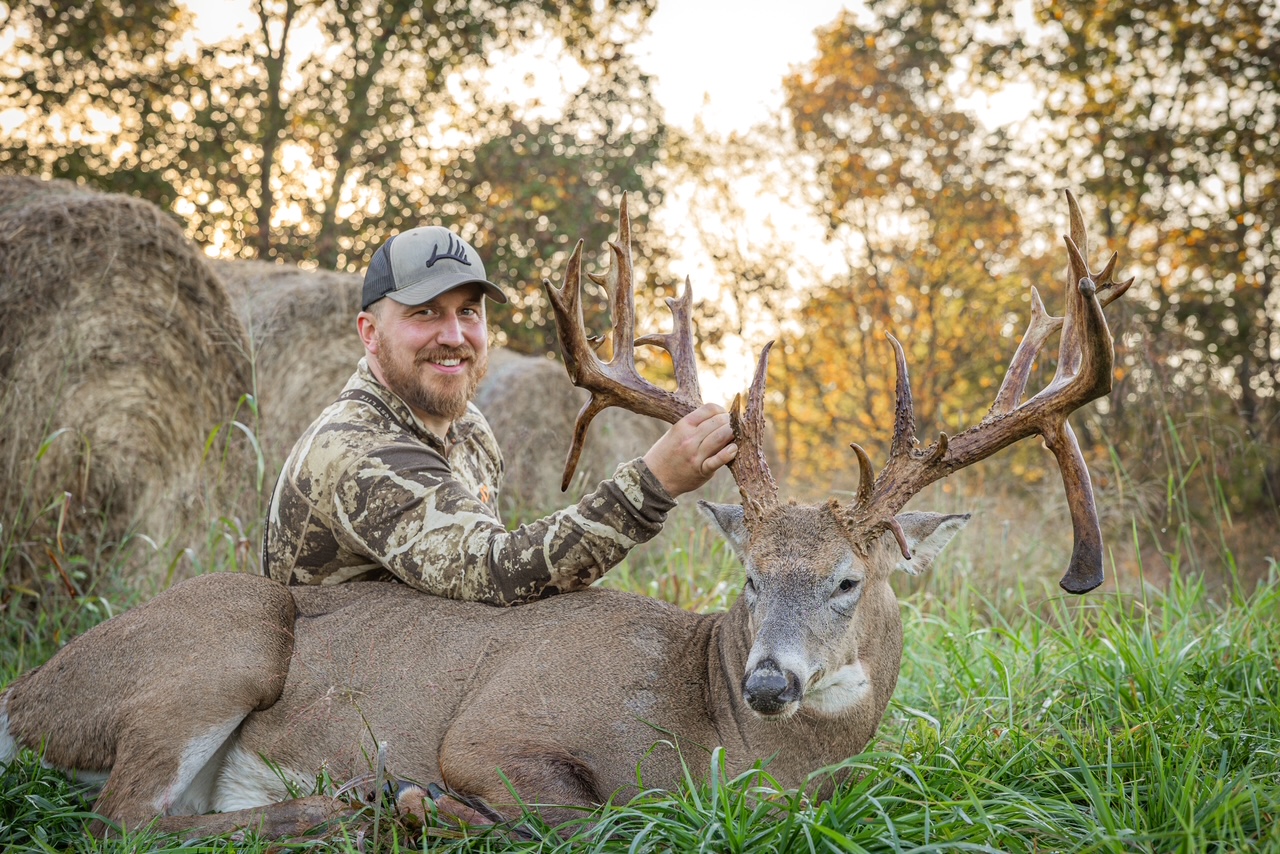
Next-Level Land Management: Custom Approaches to Enrich Whitetail Environments May 02, 2026
To begin, it is essential to analyze the specific characteristics of your land. A comprehensive land assessment helps identify its strengths and limitations. Key factors include topography, soil quality, water availability, and existing vegetation. Bluff Country Whitetails offers detailed site evaluations, ensuring that every decision is informed and strategically sound.
Once the assessment is complete, the next step is designing a management plan that fosters an ideal environment for whitetails. Habitat diversification is a crucial element of this plan. Diverse habitats, including a mix of food plots, native vegetation, and cover, support a range of species, which in turn enhances the ecosystem’s health and resilience.
Creating food plots is a popular technique for land enhancement. These plots should be carefully selected and planted with the right mix of nutritious crops to provide year-round sustenance for deer. Consider planting a combination of perennial and annual species, such as clover and oats, to maintain a consistent food supply. At Bluff Country Whitetails, we provide expert guidance on selecting and managing food plots to ensure optimal growth and attraction.
In addition to food plots, enhancing natural vegetation can significantly improve your property's appeal to whitetails. Preserving and promoting the growth of native plants creates diverse and nutritious foraging options, helping support a healthy deer population. Our team can recommend native plant species best suited to your land's conditions and the dietary needs of whitetails.
Providing adequate water sources is another critical component. Water enhances habitat quality by supporting vegetation and providing hydration for deer and other wildlife. Natural water sources such as streams or ponds can be supplemented with man-made solutions to ensure availability throughout the year. Implementing water developments like guzzlers or rainwater collection systems can significantly enhance the attractiveness of your land to wildlife.
Security and cover are vital for the wellbeing of whitetails, offering shelter and protection from predators. Thickets, brush piles, and strategically located bedding areas can provide essential cover. If your land lacks natural cover, consider practices such as hinge cutting. This method can help create dense cover areas that provide shelter while also promoting natural regeneration.
Finally, sustainable land management often involves wildlife population control. This ensures that the number of deer remains balanced with the resources available, preventing over-browsing and maintaining habitat health. Periodic assessments and controlled hunting can be vital tools in achieving this equilibrium.
In conclusion, effective land management for whitetail wildlife is a nuanced process that requires a deep understanding of ecological dynamics and a tailored approach. At Bluff Country Whitetails, we are dedicated to providing expert services that transform your land into a thriving wildlife haven. By combining scientific insight with hands-on expertise, we tailor strategies that not only enrich your land but also enhance your outdoor experience. Whether you are looking to improve deer populations or enrich the property’s overall ecosystem, customized land management plans are the key to next-level success.
/filters:no_upscale()/filters:format(webp)/media/6ddaef08-494a-4e9e-8dd2-7c0248d93dfb.jpeg)