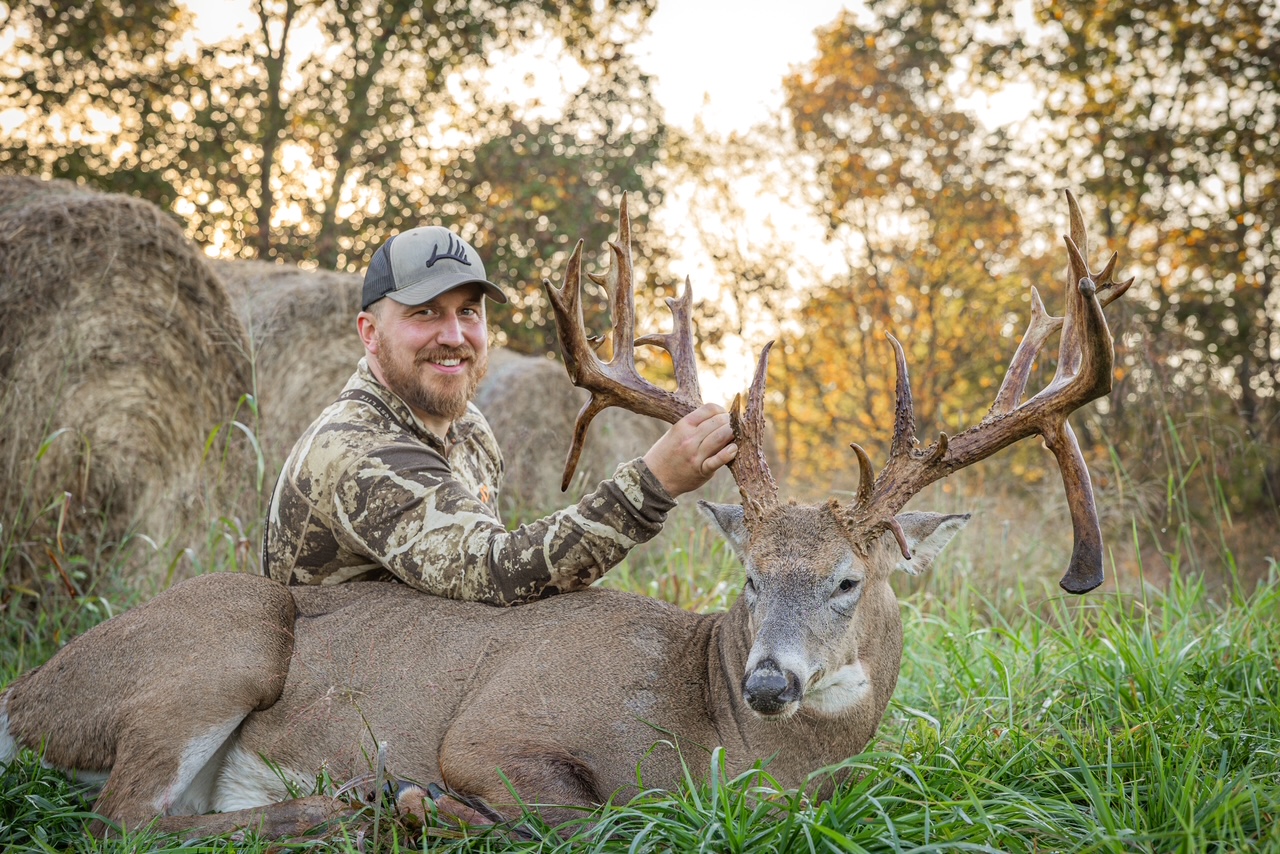
Optimizing Land Health: Advanced Techniques for Whitetail Deer Conservation Mar 29, 2026
To begin with, understanding the natural habitat of whitetail deer is fundamental. This species thrives in diverse environments that provide ample food, water, and cover. Therefore, the first step towards successful deer conservation is to assess your land's current capabilities. A thorough evaluation helps identify areas that may need improvement, whether creating more water sources, increasing food availability, or enhancing protective cover.
Water management is a critical component of land optimization for whitetail deer. Providing adequate water sources ensures deer have what they need to survive and aids in controlling their movement across the landscape. Strategically placed ponds or water troughs can be effective. Bluff Country Whitetails often recommends supplemental water sources during dry seasons, which can also attract deer closer to your property.
Food availability is another key aspect of optimizing land for whitetail deer. Implementing a diverse planting strategy can support their nutritional needs year-round. Focus on a combination of natural vegetation and supplemental food plots. Popular choices include clover, chicory, and brassicas, which are known to attract and nourish deer effectively. Rotate crops to maintain soil health and enhance biodiversity, making your land an ecological haven for deer.
Cover management is equally vital in creating an optimal habitat for whitetail deer. Providing suitable cover helps protect the deer from predators and harsh weather, encouraging them to remain on your property longer. Dense underbrush, strategically placed brush piles, and controlled burns are examples of techniques to enhance coverage. Maintaining a mix of different vegetation heights creates natural corridors and bedding areas, supporting deer movement and security.
One of the advanced techniques promoted by Bluff Country Whitetails is using controlled burns to rejuvenate and diversify plant growth. When executed correctly, prescribed burning can improve the quality of forage and create more diverse plant structures, increasing the attractiveness of the land for deer. Consulting with professionals ensures that burns are conducted safely and effectively, minimizing risks to wildlife and property.
Finally, sustainable practices are crucial for long-term success in whitetail deer conservation. Avoid overharvesting and monitor deer population metrics regularly to ensure balance within the ecosystem. Bluff Country Whitetails emphasizes the importance of ongoing education, urging landowners to keep abreast of emerging conservation techniques and trends.
In conclusion, optimizing land health for whitetail deer conservation involves a multifaceted approach. By focusing on water management, food availability, cover enhancement, and sustainable practices, landowners can create a thriving habitat that supports the needs of this treasured wildlife. Bluff Country Whitetails provides expertise and innovative strategies to guide you on this conservation journey. With careful planning and execution, your land can become a sanctuary for whitetail deer, contributing to the preservation of these beautiful creatures for future generations.
/filters:no_upscale()/filters:format(webp)/media/6ddaef08-494a-4e9e-8dd2-7c0248d93dfb.jpeg)