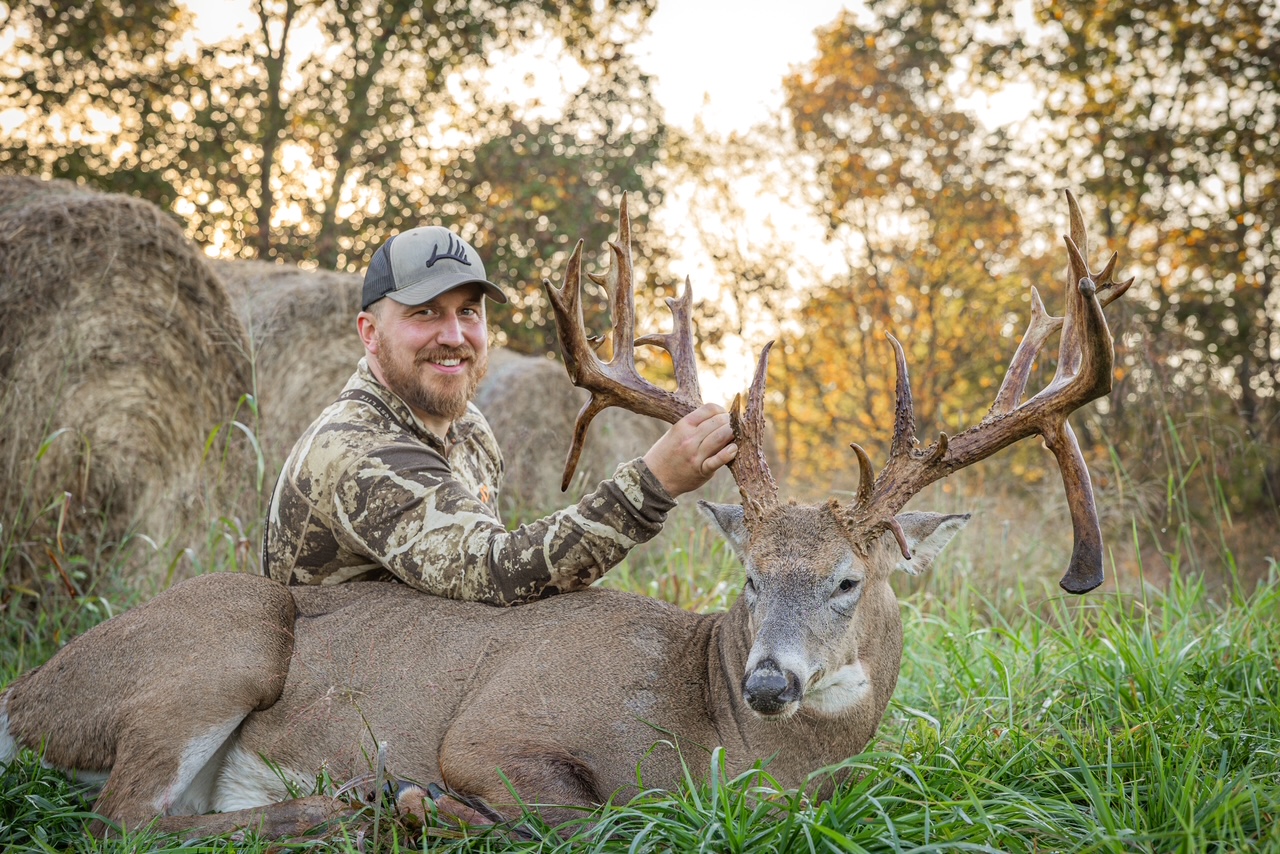
Revitalizing the Wild: Pioneering Techniques in Whitetail Land Management Sep 19, 2026
A successful land management plan begins with a comprehensive assessment of the terrain. Bluff Country Whitetails specializes in evaluating land for soil quality, native vegetation, and existing wildlife. This tailored approach ensures that each plot of land is developed to maximize its potential. Effective land assessment not only improves deer habitat but also enhances the natural ecosystem, creating a harmonious environment for various species.
One innovative technique in whitetail land management is the implementation of food plots. These plots are strategically planted areas that provide nutritious forage for deer throughout the year. Food plots should include a mix of grains, legumes, and brassicas to cater to the dietary preferences of whitetail deer. By analyzing the land’s soil and climate, Bluff Country Whitetails helps develop a planting strategy that ensures maximum growth and nutrient density. This tailored approach improves deer health, ultimately leading to larger populations and bigger trophy bucks.
Another integral aspect of effective land management involves forest management. Selecting which trees to thin or remove can significantly impact the health of a forested area. By enhancing sunlight penetration and reducing competition for resources, preferred vegetation can flourish, providing essential cover and food for deer. Bluff Country Whitetails employs sustainable forestry practices that encourage the growth of understory plants while maintaining the ecological balance.
Water sources are a crucial component of any thriving wildlife habitat. Creating or enhancing water features like ponds or small wetlands can attract and sustain deer populations. These water sources not only provide hydration but also serve as gathering points, making them valuable hunting spots. Bluff Country Whitetails assesses the existing hydrology to determine the best methods for incorporating water features, ensuring they support wildlife without disrupting the land’s natural processes.
Habitat diversity is another critical factor in whitetail land management. By introducing a variety of plants and structures, landowners can create an attractive environment for deer. This includes planting native species that provide both food and cover, as well as creating edge habitats—transitional areas between different ecosystems, which are favored by deer for foraging and bedding. Bluff Country Whitetails' expertise in integrating these elements helps landowners cultivate biodiverse landscapes that support robust deer herds.
In conclusion, revitalizing and managing land for whitetail deer requires a comprehensive, strategic approach that covers everything from food plot management and water source development to forest and habitat diversity. Bluff Country Whitetails excels in these areas, offering landowners the tools and knowledge needed to create thriving environments for whitetail deer. By employing pioneering techniques and sustainable practices, your land can become a sanctuary for deer, resulting in healthier populations and unparalleled hunting experiences. Whether you’re a new landowner or a seasoned manager, implementing these strategies can dramatically improve the vitality and appeal of your whitetail habitat.
/filters:no_upscale()/filters:format(webp)/media/6ddaef08-494a-4e9e-8dd2-7c0248d93dfb.jpeg)