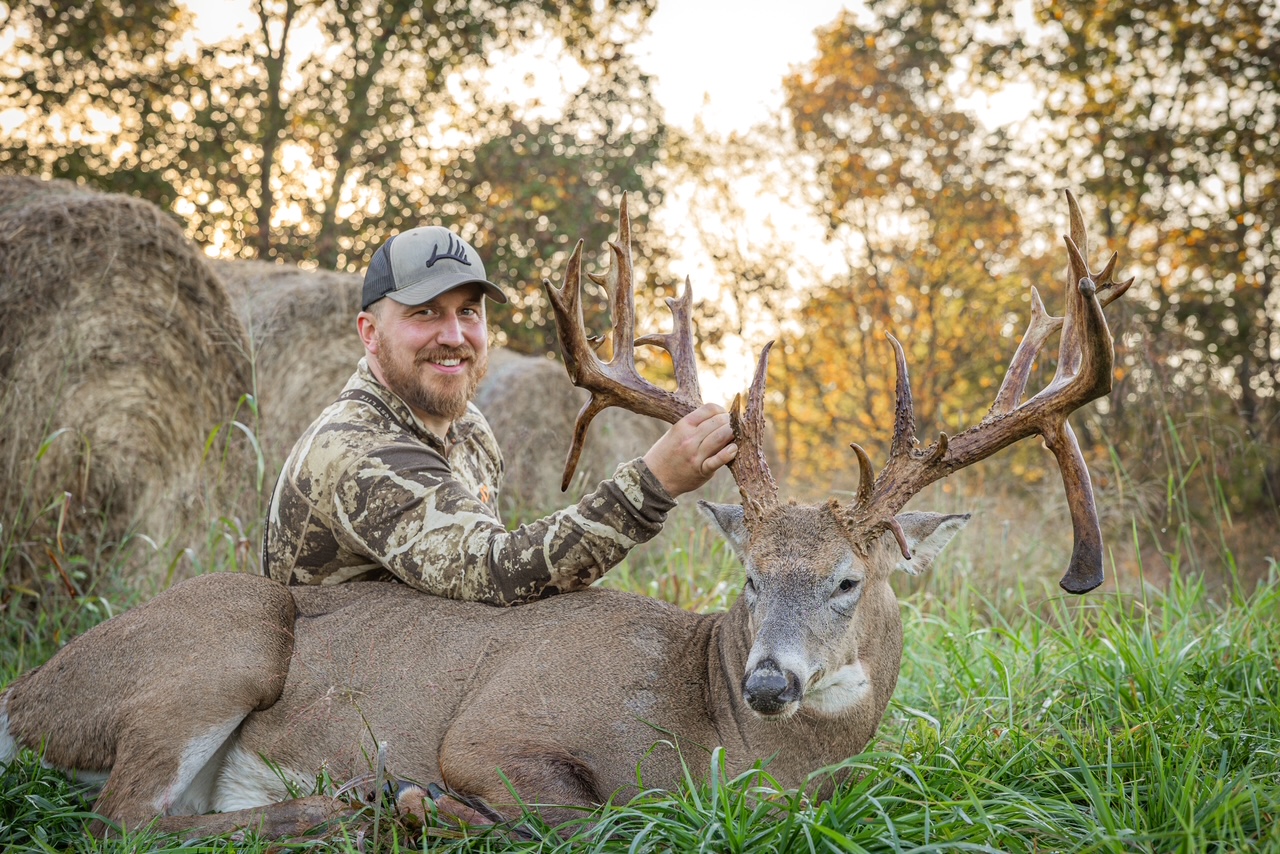
Strategic Whitetail Habitat Planning: Maximizing Land Potential for Future Generations Aug 09, 2026
A sound whitetail habitat plan begins with understanding the specific characteristics of your land. This includes evaluating the existing natural resources, such as water sources, forage availability, and shelter. Identifying these elements helps in creating a habitat that supports healthy deer populations. It's essential to assess these resources as they form the backbone of any successful habitat management plan.
Once the evaluation is complete, the next step is to enhance these resources to better support whitetail populations. Food plots play an integral role in this process. Strategically planted food plots can provide essential nutrition during key times like late winter and early spring when natural forage is scarce. Growing a variety of plant species, such as clover, soybeans, and brassicas, can ensure year-round nutrition and encourage deer to use your land consistently.
Water sources are another critical component of habitat management. Ensuring that clean, accessible water is available can make a significant difference in attracting and retaining deer populations. If natural water sources are limited, consider installing man-made watering stations or ponds. This not only benefits the deer but also enhances the overall ecosystem, supporting a wide range of wildlife.
Habitat diversity is another important factor to consider. A mix of open spaces, dense forests, and edge habitats can create a dynamic environment that supports various species, including whitetails. Maintaining a balance of different habitats encourages deer movement and promotes a healthy population. Techniques such as selective tree cutting or prescribed burns can help maintain these diverse habitats and prevent overgrowth of less desirable vegetation.
It's essential to think long-term when planning whitetail habitat management. Sustainable practices ensure that whitetail populations are supported without degrading the land over time. This includes rotating food plots, managing hunting pressure responsibly, and maintaining healthy herd ratios. Monitoring population dynamics and adjusting strategies as needed helps in achieving these goals.
Community involvement and education are also key components. By involving local stakeholders and educating those who use the land, you create a support network that understands and values habitat management efforts. This collective approach can lead to more effective and widespread implementation of best management practices.
In conclusion, strategic habitat planning at Bluff Country Whitetails encompasses more than just immediate goals; it's about a sustainable future for whitetails and the ecosystems they inhabit. By evaluating your land’s resources, enhancing its capabilities, and fostering community involvement, we can ensure that both the land and its wildlife thrive for generations to come. For those looking to make the most of their land, consider these sustainable whitetail habitat strategies that promise a bountiful and balanced environment for years ahead.
/filters:no_upscale()/filters:format(webp)/media/6ddaef08-494a-4e9e-8dd2-7c0248d93dfb.jpeg)