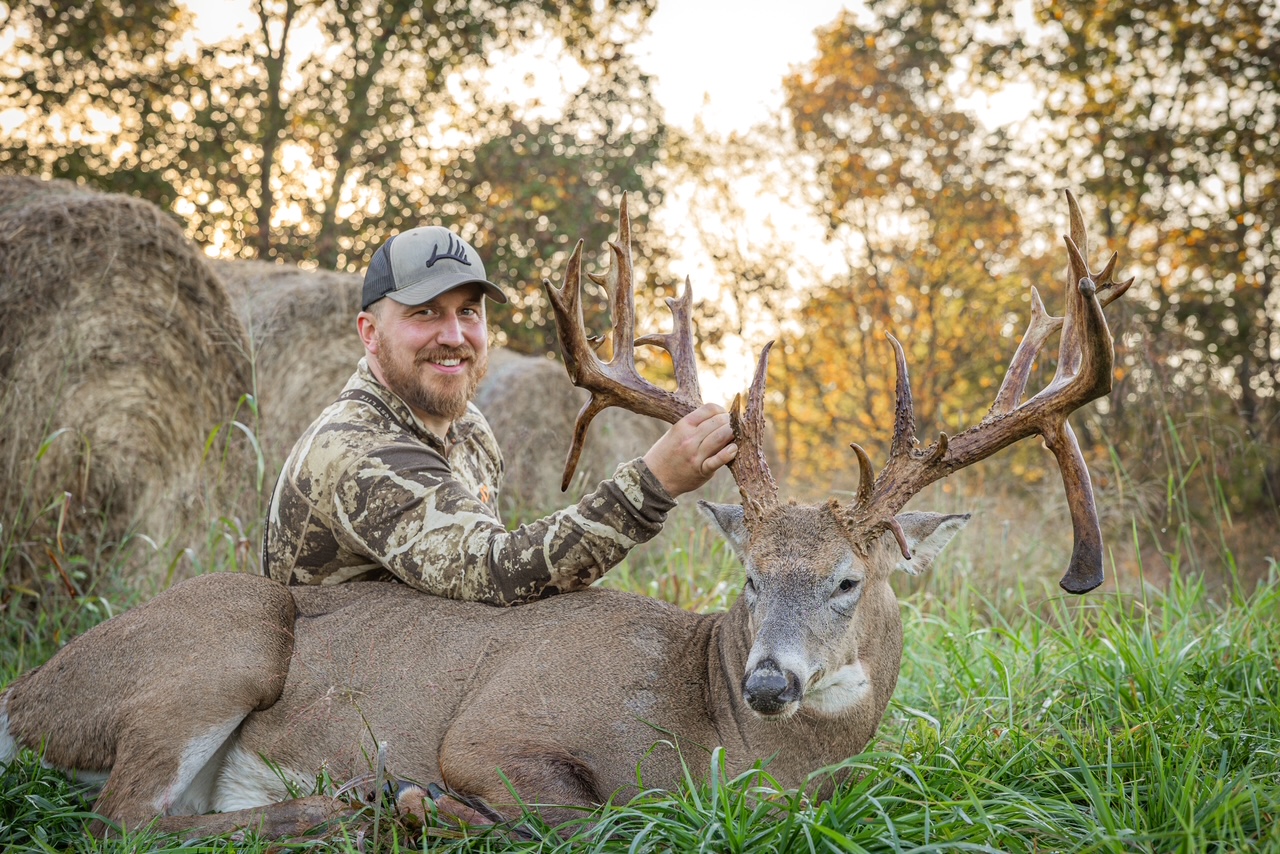
Sustainable Whitetail Environments: Crafting Habitats for Future Generations Jun 12, 2026
To begin understanding sustainable whitetail environments, it’s important to recognize the core components that define an ideal habitat. Whitetail deer require a balance of food, water, shelter, and space. These components must be thoughtfully managed to mimic natural ecosystems while enhancing accessibility and safety for the deer.
Food plots are a fundamental element in sustainable habitat creation. Planting a variety of native forages such as clover, alfalfa, and chicory can ensure year-round nutrition for whitetails. Providing diverse plant species not only enhances the nutritional value of the land but also minimizes dependency on any single food type. This strategy mitigates the risk posed by unforeseen environmental changes, thus securing a consistent food supply for the deer.
Water sources are equally vital. Natural streams and ponds should be preserved whenever possible, but supplementary water sources can be implemented to ensure hydration throughout the property. Ensuring safe access to these water sources can enhance habitat sustainability, as they allow deer to hydrate without exposing themselves to predators.
Shelter is another critical aspect where creative land management techniques come into play. Dense thickets and forested areas provide protection from weather extremes and predators. However, maintaining a healthy forest balance is essential. Bluff Country Whitetails employs selective thinning and controlled burns to foster plant growth that provides both shelter and nourishment, promoting a thriving wildlife population.
Space management ties all these elements together as it influences both the spatial distribution of resources and the movement patterns of whitetail deer. Creating diverse habitats with varying landscapes encourages natural deer movement, lessening stress and reducing the risk of disease transmission.
Alongside these habitat enhancements, sustainability in whitetail environments also mandates an ethical approach to land and wildlife management. Practices such as rotational grazing and seasonal harvesting not only maintain the ecological balance but also protect the land from overuse. The promotion of native plant species over invasive ones enhances biodiversity, crucial for the resilience of the whitetail habitat.
Additionally, monitoring and adaptation are key. Regular assessments by professionals can ensure that habitats are adapting to climate change and other environmental impacts. Bluff Country Whitetails uses technology to track deer populations and habitat health, ensuring informed decisions.
As we conclude, fostering sustainable whitetail environments demands a commitment to ongoing stewardship and education. By combining innovative land management strategies with a deep respect for natural ecosystems, we can create thriving whitetail habitats today and for future generations. Bluff Country Whitetails is dedicated to providing the knowledge and resources necessary to cultivate these environments, ensuring that the legacy of the whitetail deer grows stronger with each passing year.
For landowners and conservationists alike, the goal is clear: nurture a rich and sustainable ecosystem where whitetail deer can flourish. Through informed practices and dedicated stewardship, we can all play a part in securing this future.
/filters:no_upscale()/filters:format(webp)/media/6ddaef08-494a-4e9e-8dd2-7c0248d93dfb.jpeg)