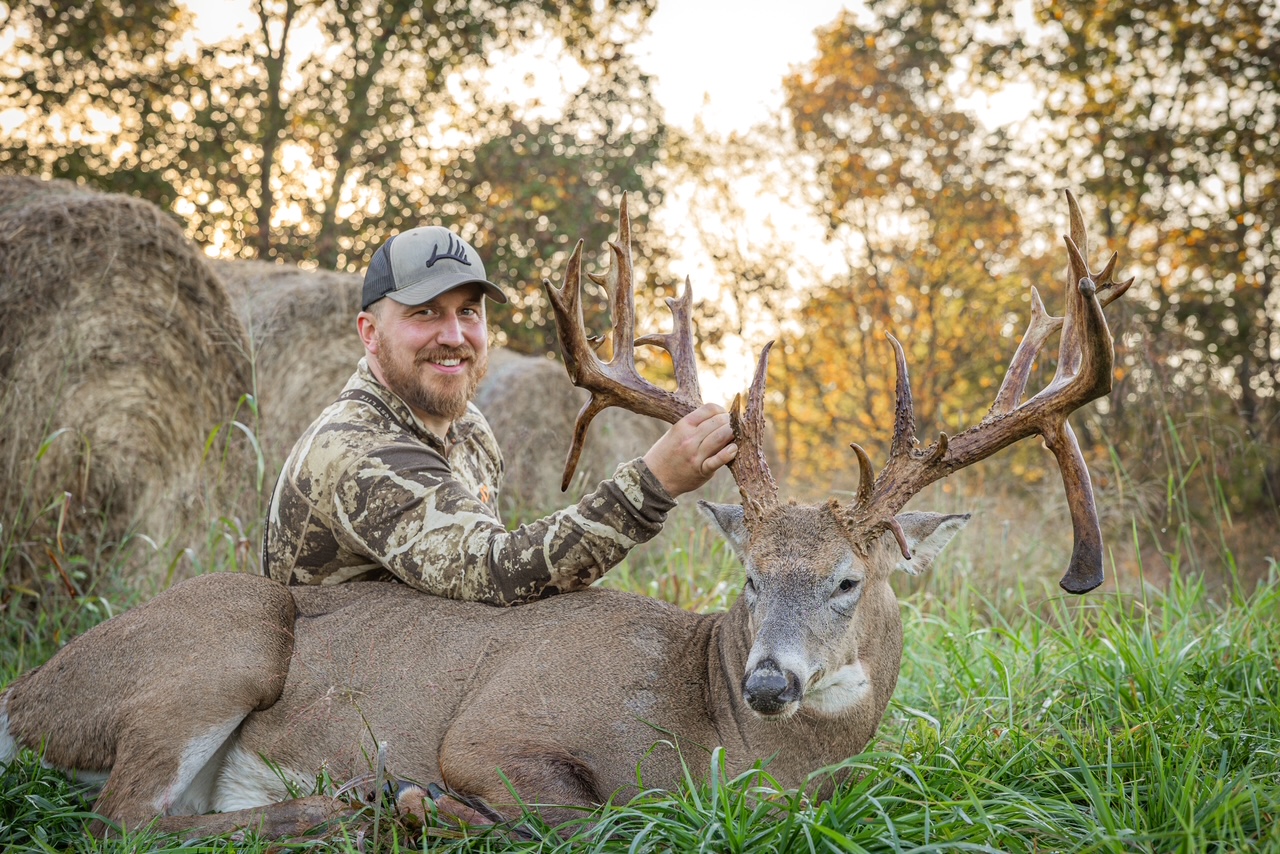
Turning Vision into Reality: Tactical Land Development for Optimal Deer Habitats Jul 06, 2026
When it comes to transforming your land into a thriving deer habitat, the first step is understanding the landscape's natural features. Topography, soil composition, and existing plant life all offer clues into which areas are ripe for development and which should be left intact. By analyzing these components, Bluff Country Whitetails helps landowners make informed decisions that respect the ecosystem while enhancing its potential.
A critical component of deer habitat development is food availability. Deer require a balanced diet of natural forages, mast, and browse. This can be achieved by implementing food plots strategically across the property. Choosing the right mix of crops is paramount; options such as clover, chicory, and soybeans not only provide nutritional benefits but also thrive in various soil types and weather conditions. Regularly rotating these crops and maintaining soil health ensures sustainability and reduces the risk of attracting pests.
Another vital aspect of land development is creating travel corridors and bedding areas to encourage deer movement and safety. By planting strategically, you can guide deer to move through the property predictably, increasing the chances of sightings during hunting season. Creating dense thickets or utilizing existing natural cover can provide secure bedding areas where deer feel sheltered.
Water sources are equally crucial to a successful habitat. Ponds or water holes situated near food plots can significantly enhance the attractiveness of the land to deer populations. These water bodies serve not only as hydration sources but also as biodiverse ecosystems supporting a wider range of wildlife.
A successful deer habitat balances open spaces for feeding with secluded areas for bedding and brooding. Performing selective thinning of vegetation helps to create this balance. This practice involves removing certain types of vegetation to encourage the growth of beneficial plants and natural forage. It also allows sunlight to penetrate the forest floor, promoting the development of undergrowth that serves as natural nutrition for deer.
To maintain a thriving deer habitat, regular monitoring and management are essential. This includes surveillance for any signs of diseases such as Chronic Wasting Disease (CWD) and implementing measures to control its spread. Bluff Country Whitetails also emphasizes the importance of ethical hunting practices to manage deer populations and maintain their health.
Optimal deer habitat development is as much about sustainability as it is about enhancement. By partnering with experts like Bluff Country Whitetails, landowners can ensure their land management practices support not just the present population but foster generations of wildlife to come. Whether your goal is to create a haven for deer or cultivate a robust hunting environment, effective land development is essential.
In conclusion, transforming your property into a prime deer habitat involves careful planning and execution. With the proper guidance and strategies, landowners can realize their vision, ensuring that their land remains a productive and vibrant environment for deer and other wildlife. Let Bluff Country Whitetails be your partner in this rewarding journey, turning your vision of a thriving deer habitat into reality.
/filters:no_upscale()/filters:format(webp)/media/6ddaef08-494a-4e9e-8dd2-7c0248d93dfb.jpeg)