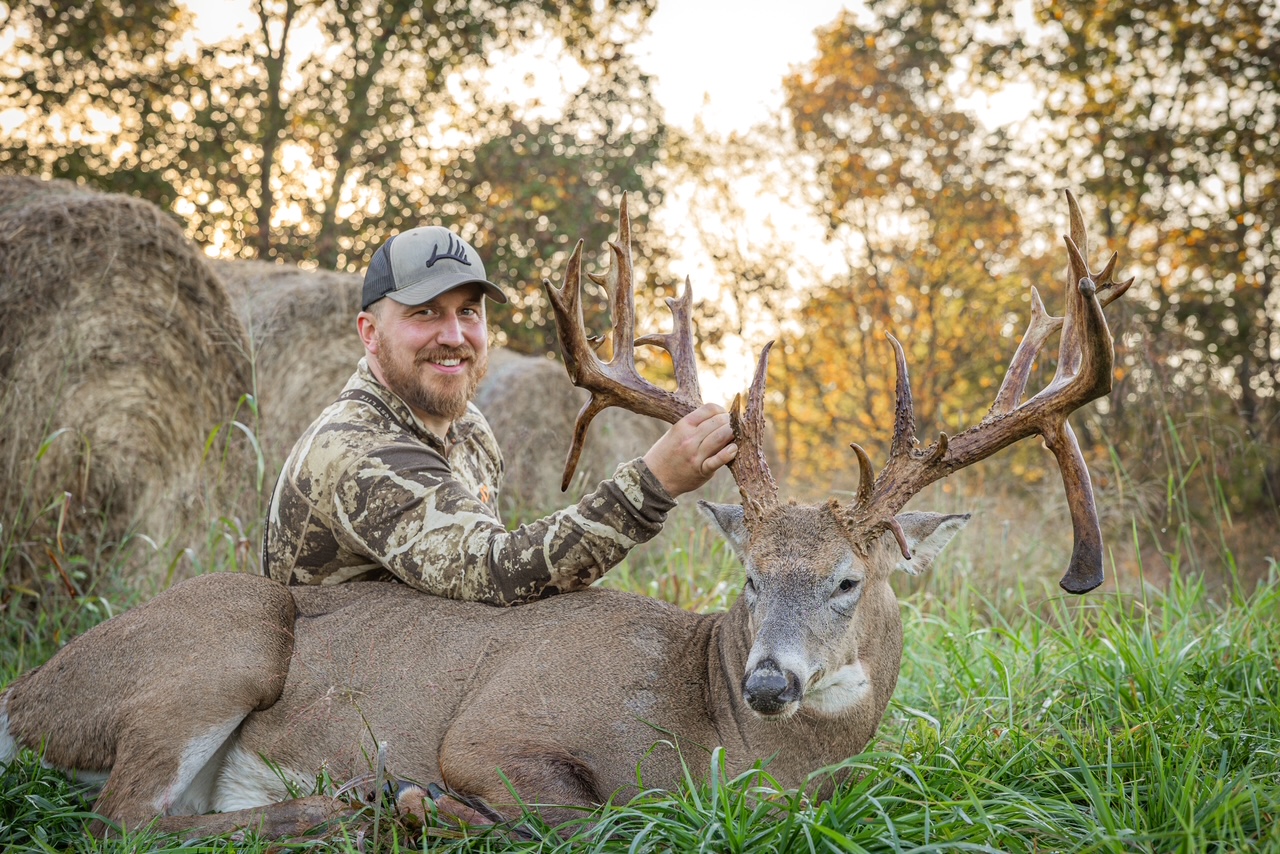
Unlocking the Mysteries of Whitetail Behavior: A Guide for Landowners Feb 13, 2026
Whitetail deer are creatures of habit, exhibiting predictable movement patterns across their home ranges. Typically, these ranges span about one square mile, though this can vary based on food availability and environmental factors. For landowners, establishing food plots and water sources can significantly influence these patterns. Whitetails tend to follow the path of least resistance, visiting areas with ample food and low human disturbance.
Social structure is another cornerstone of whitetail behavior. Bucks, does, and fawns have differing social hierarchies, each impacting the way they interact with the land. Bucks are often solitary, especially during the rutting period, when their behavior becomes more aggressive and territorial. Meanwhile, does often gather in small family groups, which provide safety and facilitate the rearing of fawns.
Understanding these dynamics can inform land management practices. For instance, maintaining a mix of wooded areas and open fields can cater to both the privacy needs of bucks and the safety requirements of does and fawns. Creating sanctuaries where deer feel secure from predators is equally essential. These sanctuaries should be undisturbed zones with dense cover, allowing deer to rest and feed without interruption.
Seasonal variations also play a critical role in whitetail behavior. During the spring and summer, deer focus on feeding and rearing offspring. This period calls for ensuring that your land offers abundant natural forage. Planting native grasses and legumes can help diversify the food options for deer. As autumn approaches, bucks begin to engage in territorial marking by creating rubs and scrapes. Recognizing and enhancing these areas with mock scrapes can increase the attractiveness of your property to local deer populations.
Winter presents its own challenges, as food becomes sparse and energy conservation becomes vital for deer. At this time, deer will shift their habitat use closer to food sources. By providing supplemental feeding stations, landowners can help sustain deer through tougher months while also keeping them on your property.
For many landowners, the ultimate goal is to balance habitat conservation with hunting opportunities. By strategically managing forage availability and analyzing the seasonal behaviors of deer, one can enhance the land's carrying capacity for healthy deer populations. Implementing controlled burns, for example, can rejuvenate plant growth, leading to richer food sources.
Making the most of your land requires a thoughtful approach to the nuances of whitetail behavior. At Bluff Country Whitetails, we help landowners unlock these mysteries to ensure their land remains both a sanctuary for wildlife and a productive hunting ground. By embracing the rhythms of nature and tailoring land management practices accordingly, you can enhance not only the health and vitality of your local deer population but also the enjoyment of the land for years to come.
In conclusion, understanding and leveraging the behavior of whitetail deer can profoundly impact the ecological and recreational value of your land. We encourage you to explore these insights and take proactive steps to create an environment that supports thriving wildlife populations while meeting your own land management goals.
/filters:no_upscale()/filters:format(webp)/media/6ddaef08-494a-4e9e-8dd2-7c0248d93dfb.jpeg)