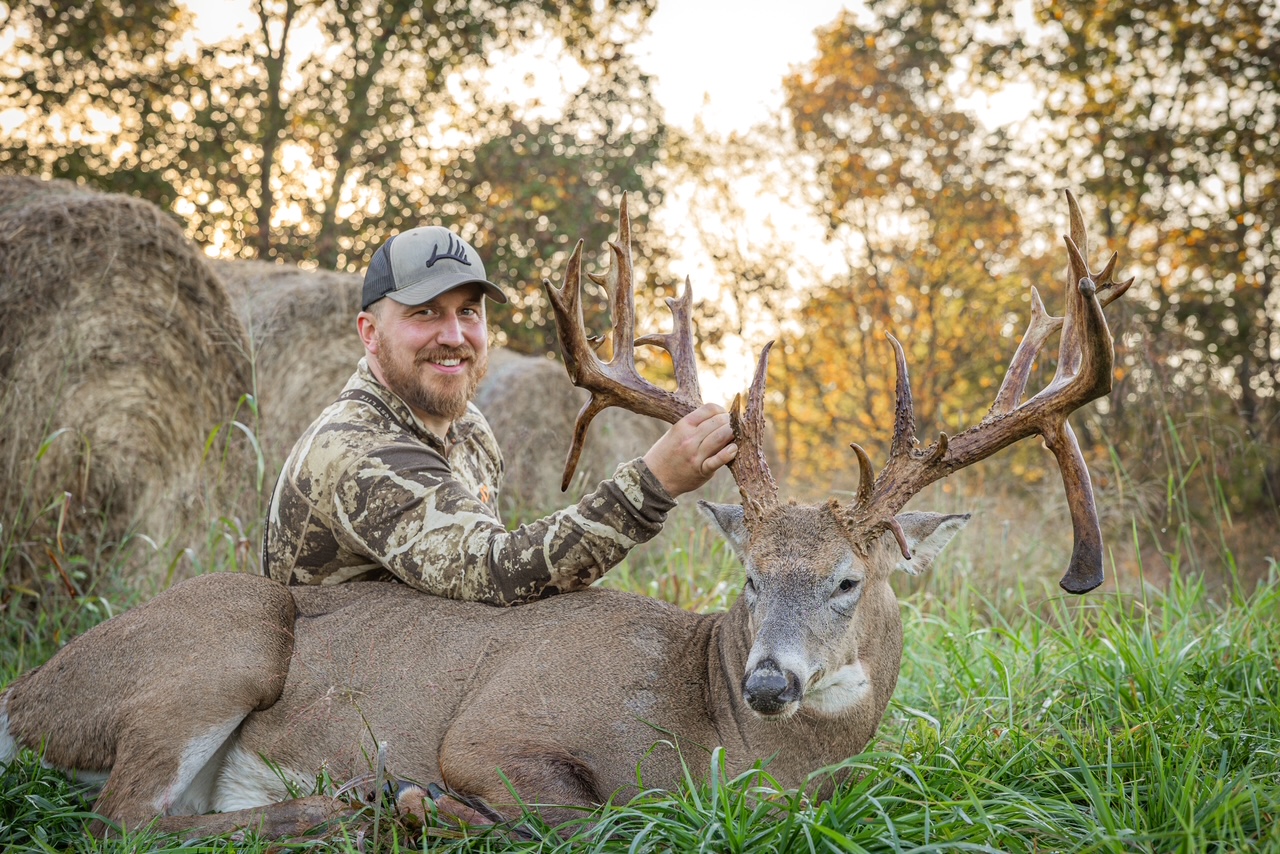
Whitetail Ecosystem Engineering: Crafting Balanced Habitats for Sustainable Herds Aug 15, 2026
When approaching land management for whitetails, the primary consideration is the balance between food, water, shelter, and space. These elements collectively define a habitat capable of supporting healthy deer populations. Each component must be diligently curated to foster not just survival, but also prosperity within your deer herd.
To begin with, the role of diverse forage species cannot be overstated. Cultivating a variety of nutritious plants is paramount. Whitetails thrive on a diet that includes clover, chicory, and turnips. These plants are not only rich in nutrients, but they also provide forage throughout the year, supporting deer through harsh winters and dry summers. By rotating the planting and ensuring seasonal availability, Bluff Country Whitetails helps landowners create dynamic food plots that attract and sustain deer throughout the year.
In addition to food, water sources are a critical aspect of habitat management. Natural water bodies or artificial waterholes must be readily accessible to deer, influencing their movement patterns and territorial preferences. Proper placement of water sources can effectively distribute deer populations across a land area, minimizing overuse of particular sections and fostering healthier growth across the landscape.
Shelter, another fundamental component, requires careful consideration. Whitetails need coverage not only for protection from predators but also to endure adverse weather conditions. Dense woodland areas and brush provide necessary cover, encouraging natural reproductive behavior and enhancing overall herd survival rates. At Bluff Country Whitetails, we advise on optimal vegetation management techniques that promote the growth of shrubs and trees beneficial to deer.
Yet, no ecosystem management strategy is complete without addressing spatial dynamics. Whitetails require enough area to roam freely, encouraging natural behavior and allowing for the establishment of social hierarchies within the herd. Identifying and maintaining these spatial requirements prevent habitat overcrowding, which can lead to issues such as food scarcity and increased disease transmission.
Furthermore, the practice of deer population management is essential to the longevity and ecological balance of the habitat. Regular monitoring and interventions, such as controlled hunting or managed endorsement, help maintain deer numbers aligned with the carrying capacity of the environment. This not only supports plant regeneration but also ensures the overall health of the ecosystem.
Concluding, landowners who are serious about fostering sustainable whitetail populations must adopt a holistic approach to land management. At Bluff Country Whitetails, we are committed to helping you understand and implement strategies that are both practical and effective. Ultimately, our goal is to assist you in developing a self-sustaining ecosystem that supports healthy whitetail herds for generations to come.
By balancing the key elements of whitetail habitat—food, water, shelter, and space—landowners can create thriving environments. Let Bluff Country Whitetails guide you in engineering an ecosystem that not only benefits your deer but also enriches the entire landscape, creating a harmonious balance between wildlife and land.
/filters:no_upscale()/filters:format(webp)/media/6ddaef08-494a-4e9e-8dd2-7c0248d93dfb.jpeg)