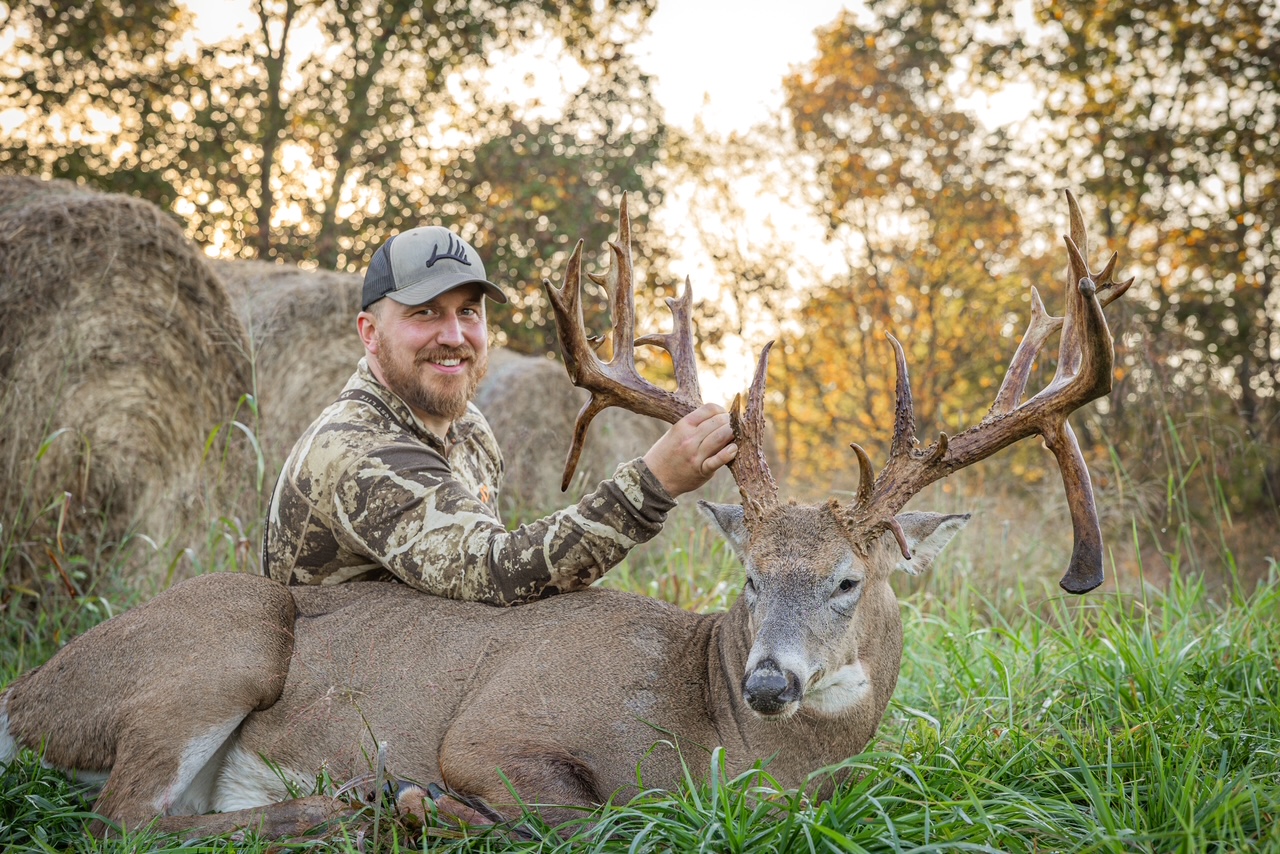
Whitetail Habitat Craftsmanship: Building Sustainable Landscapes for Future Generations Sep 09, 2026
A successful whitetail habitat is a delicate blend of art and science. The journey begins with understanding the local ecology and the specific needs of the whitetail deer. Whitetails require diverse food sources, cover from predators, and access to water. By analyzing these elements, landowners can create a balanced ecosystem that promotes the health and growth of deer populations.
Start with a comprehensive land assessment. This is a crucial step where our expert team evaluates the current conditions of your landscape. Soil quality, vegetation types, and existing wildlife presence are examined to create a baseline for further development. This assessment allows us to tailor strategies that reinforce natural elements already present, ensuring sustainability and minimal environmental disruption.
Food plots are an essential component in any whitetail habitat management plan. They provide critical nutrition during various times of the year, particularly when natural food sources are scarce. By strategically planting a variety of crops, you can sustain deer populations year-round. Our team can recommend the best plants suited for your region, taking into account factors such as climate, soil type, and seasonal needs.
Creating cover is equally important in whitetail habitat craftsmanship. Deer need areas where they feel safe to move, rest, and raise their young without the threat of predators. Enhancing natural cover or planting additional foliage can significantly improve the security of these animals. Implementing elements like switchgrass or strategically placing downed trees can provide effective and natural camouflage.
Water resources also play a crucial role in habitat sustainability. Access to clean water is vital for the survival and health of all wildlife. Whether through the creation of ponds or managing naturally occurring water sources, ensuring year-round water availability supports a thriving ecosystem. It's essential to maintain these resources to prevent contamination and ensure they benefit the entire habitat.
The role of biodiversity and ecological balance cannot be overstated in creating a sustainable landscape. By encouraging a variety of species to coexist, you are lessening the impact of any one species overusing resources. This balance helps in pest control, improves soil health, and maintains the long-term productivity of the land.
Implementing these strategies requires ongoing management. Our team at Bluff Country Whitetails educates landowners on best practices, such as rotational planting and habitat maintenance, ensuring that developments stay sustainable and continue to improve over time.
In conclusion, well-crafted whitetail habitats offer far more than just a sanctuary for deer. They enhance the biodiversity of the landscape, contribute to the beauty of the environment, and provide landowners with the satisfaction of building something that will thrive for generations. With the right guidance and commitment, your land can become a vital haven for wildlife. At Bluff Country Whitetails, we are dedicated to helping you build and maintain these sustainable landscapes, turning your vision into a thriving reality.
/filters:no_upscale()/filters:format(webp)/media/6ddaef08-494a-4e9e-8dd2-7c0248d93dfb.jpeg)