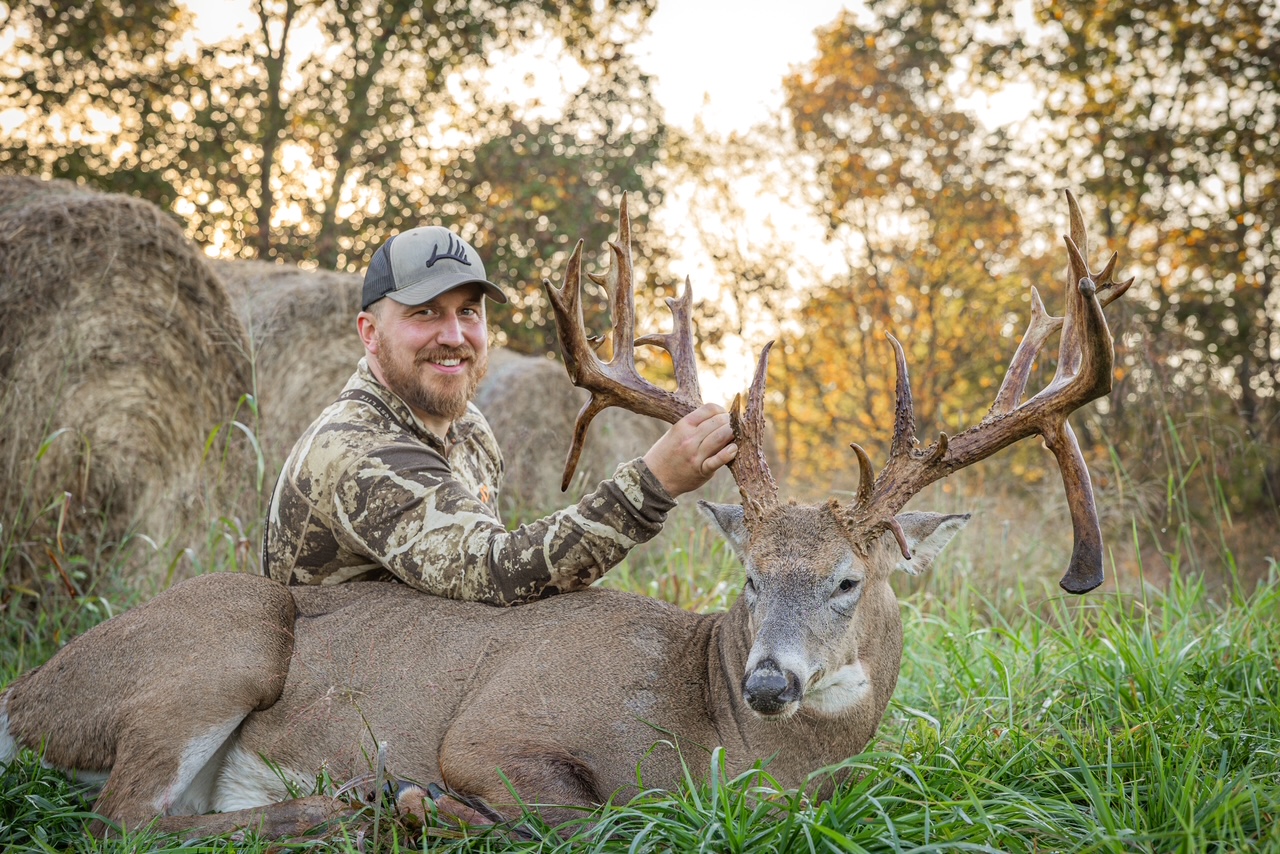
Whitetail Habitat Design: Integrating Nature’s Needs with Landowner Objectives Jul 19, 2026
To begin, it is essential to understand the intrinsic needs of whitetail deer. These creatures require specific habitats that provide food, water, cover, and space to thrive. In essence, an effective whitetail habitat design mirrors these natural prerequisites. However, landowners often have additional objectives, such as optimizing the aesthetic appeal of their property, facilitating hunting opportunities, or conserving natural resources. Balancing these can seem daunting; however, through careful planning and execution, it is achievable.
The foundation of any successful habitat design starts with a comprehensive land assessment. This entails surveying the landscape to understand the existing vegetation, water sources, and topographical features. Bluff Country Whitetails employs advanced mapping and data collection techniques to provide a detailed analysis of the area. By understanding the land's strengths and limitations, a tailored management plan can then be developed.
Once the assessment is complete, the next step involves creating a diverse ecosystem that attracts and sustains whitetail deer. One effective method is to cultivate a variety of food sources. This could include planting native shrubs, trees, and grasses that serve dual purposes. For instance, nut-producing trees can supply essential nutrients to the deer while also enhancing property aesthetics and supporting other wildlife species. Additionally, strategically placed food plots not only provide nutrition but can also direct deer movement, benefiting both management and recreational hunting efforts.
Water is another critical component of whitetail habitat design. Ensuring access to clean, consistent water sources can significantly enhance deer presence on the land. This might involve integrating natural streams or constructing ponds. At Bluff Country Whitetails, we often incorporate water holes that require minimal maintenance yet offer substantial ecological benefits.
Cover and security are equally important for deer. Creating thick bedding areas using native vegetation can provide necessary protection from predators and harsh weather, thus keeping deer on the property year-round. These bedding areas can be planned to correspond with natural land contours, enhancing the property's overall landscape while maintaining ecological integrity.
Beyond the immediate ecological benefits, effective whitetail habitat design can significantly increase a property's value. Improved wildlife diversity and an aesthetically pleasing environment attract eco-minded buyers and investors. Moreover, properties with well-managed deer populations are often more desirable for recreational hunting, an increasingly popular land use that can provide additional revenue streams.
In conclusion, integrating nature's needs with landowner objectives is a nuanced task but one that yields significant rewards. At Bluff Country Whitetails, our team prioritizes a balanced approach that considers both the ecology of the land and the aspirations of the property owner. Our strategies are designed to enhance landowner satisfaction while ensuring sustainable deer populations and habitats. Investing in thoughtful habitat design not only benefits wildlife but also enhances the overall value and appeal of your land, securing its legacy for generations to come.
/filters:no_upscale()/filters:format(webp)/media/6ddaef08-494a-4e9e-8dd2-7c0248d93dfb.jpeg)