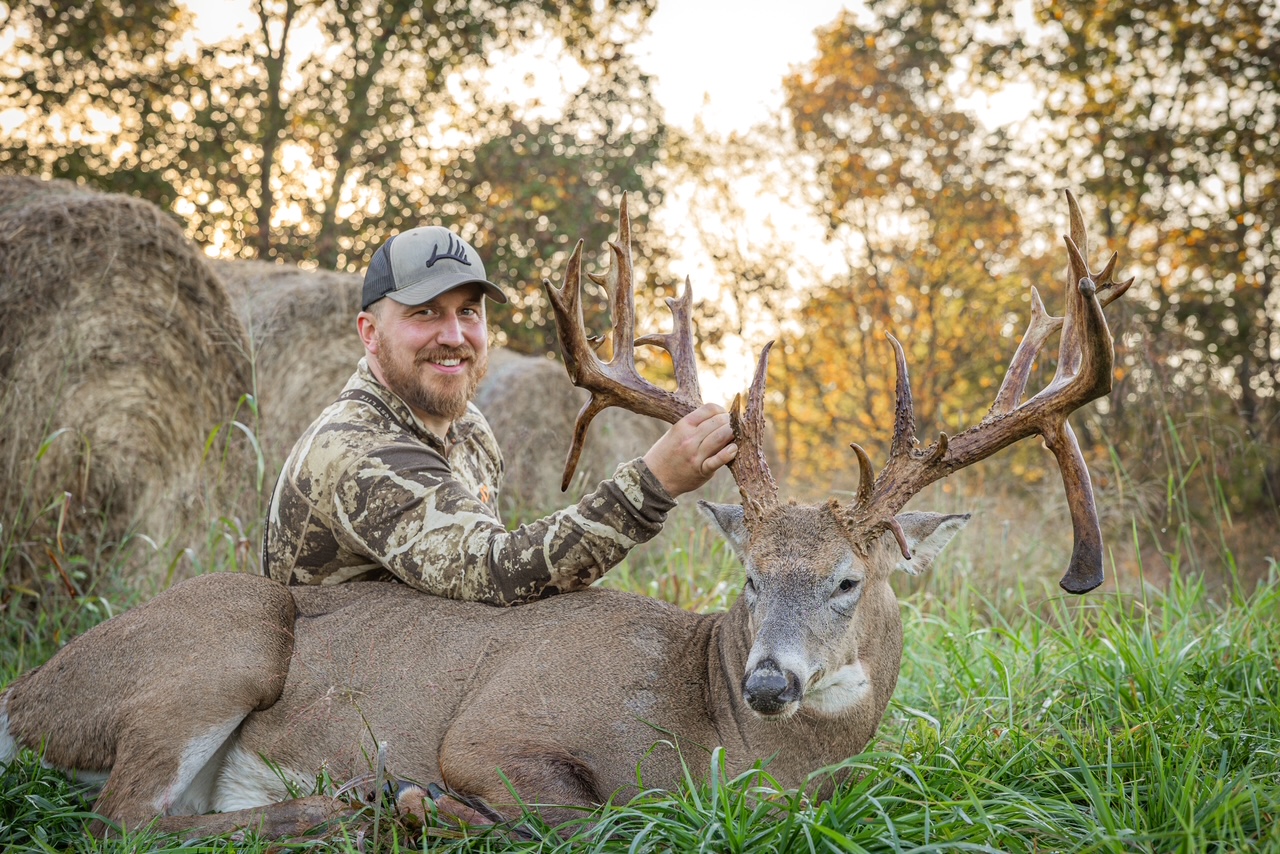
Whitetail Habitat Strategies: Merging Traditional Wisdom with Modern Solutions Jul 02, 2026
The foundation of effective whitetail habitat management lies in embracing traditional practices that have stood the test of time. Key among these is the preservation and enhancement of natural foraging areas. Whitetails have specific dietary needs that change with the seasons. During spring and summer, lush, green vegetation is essential, while autumn calls for nutrient-packed mast like acorns and nuts. Ensuring diverse plant life that caters to these seasonal preferences is crucial. Consulting with local botanists or using historical data, managers can pinpoint and cultivate plant species that serve as reliable food sources throughout the year.
Supplementing these traditional techniques with modern advancements allows landowners to elevate their habitat management strategies. Thanks to recent technology, high-resolution satellite imagery and drone assessments provide detailed insights into land patterns and vegetation health. By assessing these images, land managers can identify areas requiring intervention, whether introducing new food plots or rehabilitating existing ones.
In addition to focusing on food sources, Bluff Country Whitetails stresses the importance of considering the natural behavior and movement patterns of whitetails. Establishing safe corridors that connect feeding areas with bedding sites ensures that deer can move freely and securely within their territory. Using GPS tracking and data from movement studies, you can design pathways that align with the natural instincts of the deer.
Moreover, water sources are a vital component of any whitetail habitat. Without clean and accessible water, deer populations cannot thrive. Integrating modern filtration systems or artificial water sources, like strategically placed troughs or ponds, helps maintain this crucial aspect of deer ecology. Monitoring these sources through sensors and IoT tools can alert managers to potential contamination or supply issues, ensuring deer always have access to fresh water.
While blending old and new techniques forms the backbone of effective habitat management, it’s essential to continually monitor and adapt these practices. Ecosystem dynamics can fluctuate due to factors like climate change, disease outbreaks, or human interference. By establishing a feedback loop—consistently gathering data, evaluating outcomes, and adjusting practices—land managers can remain agile, ensuring they meet the evolving needs of the whitetail ecosystem.
Community involvement also cannot be overlooked when it comes to habitat strategies. Engaging with local hunters, conservationists, and other stakeholders fosters a sense of shared responsibility and offers diverse perspectives and insights into maintaining and enhancing deer habitats.
In conclusion, the key to thriving whitetail populations lies in blending timeless wisdom with modern innovation. Through strategic planning, the aid of technological advancements, and community collaboration, Bluff Country Whitetails is committed to creating environments where these magnificent creatures can prosper. By leveraging the best of both worlds, land managers can craft harmonious, sustainable habitats that ensure the enduring presence of whitetails in our landscapes.
/filters:no_upscale()/filters:format(webp)/media/6ddaef08-494a-4e9e-8dd2-7c0248d93dfb.jpeg)